Food Industry in Turkey: 2026 Market Analysis & Sourcing Trends
Table of Contents
Forget what you think you know about Turkish cuisine for a moment. Yes, the kebabs and baklava are legendary but from an economic perspective, Turkey has quietly become the “Pantry of Europe” and the Middle East. If you pick up pasta, hazelnut spread, or dried apricots in a London or Berlin supermarket, there is a high probability you are holding a piece of the Turkish economy.
As an expat living here, I witness this industry not just through spreadsheets, but on the ground: from the brutal inflation that turns weekly grocery shopping into financial gymnastics (food inflation peaked above 70% in 2023 before easing to around 28% by the end of 2025), to the unshakeable quality that remains world-class despite the crises. In 2024, Turkey set a historic export record of $36.2 billion in the agricultural sector. That isn’t luck; it’s the result of a massive strategic pivot.
The Hard Facts: Food as an Economic Engine
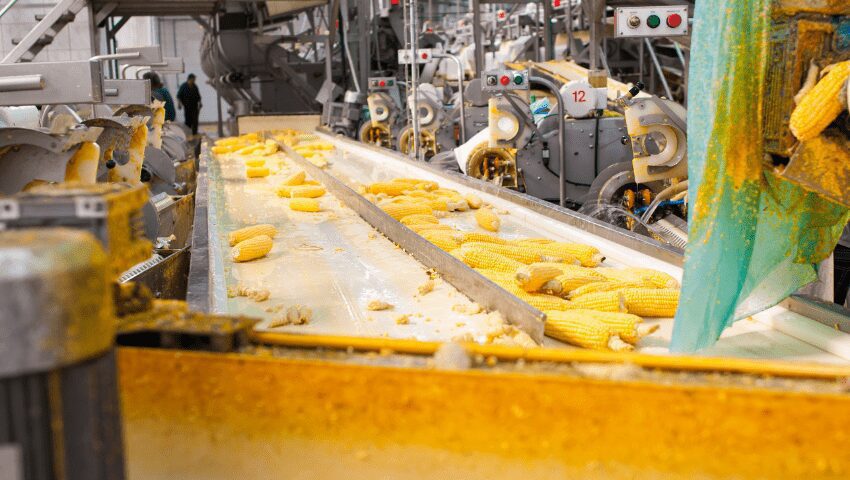
Let’s push the romance of Mediterranean diets aside and look at the data. The food industry here isn’t just tradition; it is the backbone of Turkey’s export economy. While other manufacturing sectors fluctuate, agriculture delivers consistent foreign currency. For anyone tracking Turkey’s economic pulse, the resilience of food production is the standout story of the decade.
More Than Just Soil: A Strategic Hub
Travel through Anatolia, and you realize food is a religion here. But for investors and buyers, the critical factor is strategic positioning. Turkey simultaneously services two massive markets that couldn’t be more different:
- The Quality Market (Europe): Turkey wins here with Organic certifications, short delivery times, and “Near Shoring.” European brands are increasingly moving production here to reduce reliance on Asian supply chains.
- The Volume Market (MENA Region): For the Middle East, Turkey is the primary supplier of Halal compliant goods. The global Halal market is valued at nearly $3 trillion, and Turkish firms are sitting in the front row.
Here is an insider nuance: Turkish dairy products and grains are often marketed as “Premium” in the Middle East, while in Europe, they are positioned as “Price Entry” or private label solutions. This flexibility is the sector’s true superpower.
The Reality on the Ground: Inflation vs. Export Boom
We have to be honest: while export numbers glitter, the domestic market is grinding its gears. With food inflation persistently high entering 2026, local consumption patterns have shifted drastically. Turks are trading down from legacy brands to discount private labels.
So, what does this mean for foreign buyers? It creates massive leverage. Because the domestic market is under price pressure, Turkish manufacturers are aggressively seeking foreign partners who pay in Euros or Dollars. Your negotiation power as an importer hasn’t been this strong in years.
The Export Champions: What You Should Be Sourcing
Forget the generic stuff. Here are the specific categories where Turkey has dominated in the 2024-2025 cycle:
- Flour & Pasta: Turkey has been the world’s largest flour exporter for over a decade. Despite some export quotas in 2024, the infrastructure remains unbeatable.
- Dried Fruits & Nuts: This is essentially a monopoly. Turkey controls roughly 70% of the global hazelnut market. If you are buying dried figs or apricots, the global price is effectively dictated by the harvests in Malatya and the Aegean region.
- Processed Foods: From tomato paste to pickled vegetables. The quality of the canning industry is so high that many “Italian” brands actually fill their jars here.
- Fish & Aquaculture: An often overlooked giant. Turkish sea bass and sea bream fill fresh counters across Europe (over $2.0 billion in export volume in 2024).
Key Players: Who Runs the Show?
If you are looking to build trade relationships, these aren’t just companies; they are institutions. Many of these conglomerates are far more than just food firms:
- Yıldız Holding (Ülker): The giant in the room. They don’t just own the Turkish market; they own global heavyweights like Godiva and McVitie’s. A prime example of Turkish capital going global.
- Sütaş: The undisputed Dairy King. When it comes to cheese, yogurt, or Ayran, they set the standard for industrial quality.
- Anadolu Etap: One of the largest fruit juice and fresh fruit producers. They manage massive plantations and are the go-to partner for major international juice brands.
- Konbaksan: A heavyweight in grains and pulses (rice, lentils), essential for the staple food market.
- Pınar: A pioneer in healthy foods and meat products, currently seeing significant growth in their organic lines.
The 2026 Import Guide: Avoiding the Traps
Importing from Turkey is relatively smooth thanks to the Customs Union with the EU, but the devil is in the details. Here is my “Street Smart” checklist for 2026:
- Leverage the Currency, but Hedge: The Lira is volatile. Ideally, sign contracts in Euro or Dollar, but ensure your Turkish partner hasn’t already “priced in” next year’s inflation into your quote.
- Notary & Contracts: A handshake means a lot in Turkish culture, but in business, you need legal armor. Proper notarization (Noter) of your supply contracts is essential to avoid nasty surprises at customs or during disputes.
- The Middleman is Worth It: Don’t try to buy directly from a farmer in Anatolia unless you speak fluent Turkish. A reputable broker or trading agency might take 2-5% commission, but they will save you weeks of bureaucratic headaches and logistics failures.
Conclusion: A Market in Transformation
The Turkish food industry has evolved from a raw material supplier into a value added giant. Investors from the Middle East recognized this potential years ago and are pumping capital into modern facilities. For European and American buyers, Turkey is now, more than ever, the reliable alternative to fragile Asian supply chains.
Whether you are looking to import high-end organic produce or container loads of tomato paste, the market is ready. The question is: Are you?