Turkish Election Results: The 2023 Runoff & Voting System Explained
Table of Contents
The 2023 Turkish general election was more than just a vote; it was a stress test for the nation’s presidential system.
For the first time in Turkish history, the presidential race went to a second round, creating a unique precedent for how leadership is decided in the country. While President Recep Tayyip Erdoğan ultimately secured victory, the process revealed the complexities of the “50% + 1” rule. In this retrospective guide, we break down exactly how the runoff unfolded, why it happened, and what it means for Turkey’s political landscape today.
Why the 2023 Election Went to a Second Round
Under the Turkish election system, a candidate must secure a simple majority—50% plus one vote—to win the presidency in the first round. In May 2023, despite a strong showing, neither leading candidate crossed this threshold.
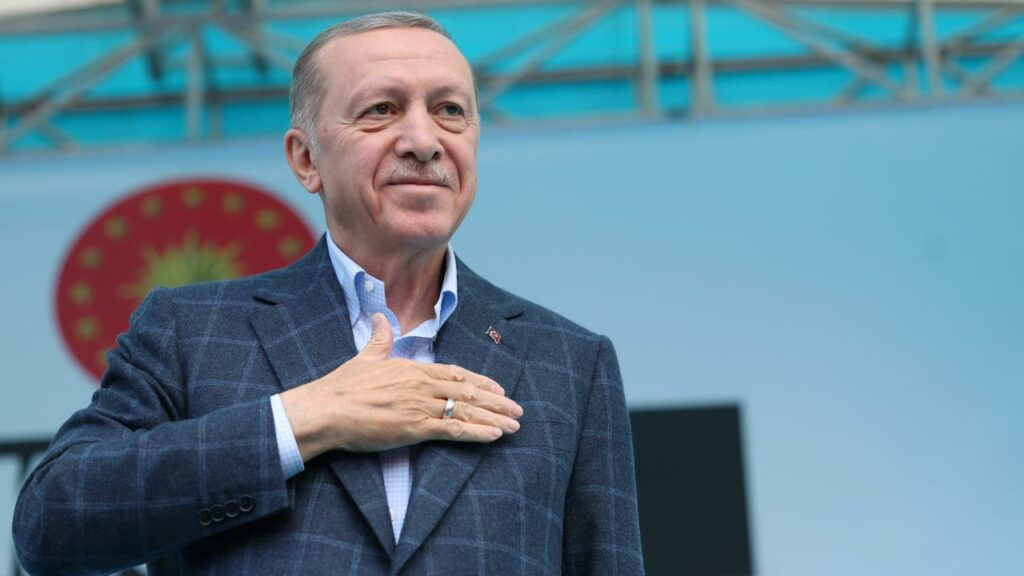
This deadlock triggered a runoff between the top two contenders: the incumbent Recep Tayyip Erdoğan and the opposition leader Kemal Kılıçdaroğlu. The second round, which took place on May 28, 2023, ultimately decided the country’s leadership for the next five years.
The Contenders: A Clash of Ideologies
The 2023 runoff was a binary choice between two distinct visions for Turkey’s future:
- Recep Tayyip Erdoğan (People’s Alliance / Cumhur İttifakı): Representing continuity and conservative values.
- Kemal Kılıçdaroğlu (Nation Alliance / Millet İttifakı): Representing a broad coalition aimed at restoring the parliamentary system.
In the first round, Erdoğan secured 49.52% of the vote, narrowly missing the outright win, while Kılıçdaroğlu followed with 44.88%. The tight margins kept international investors and local businesses on edge, highlighting the importance of stability for those starting a company in Turkey.
The Runoff Timeline: How It Unfolded
The two week gap between rounds is a critical period in Turkish politics, often used for intense campaigning and coalition shifting. The 2023 schedule serves as a blueprint for how future runoffs will likely be handled:
- May 15: Official start of the second round campaign period.
- May 19: The Supreme Election Council (YSK) finalized the first round results.
- May 20-24: Voting opened for Turkish citizens abroad. (Note: For expats, ensuring your registration matches the official Turkish address format is crucial for eligibility.)
- May 28: Election Day. Millions returned to the polls.
- June 1: Official results were published, confirming Erdoğan’s victory with 52.18% of the vote against Kılıçdaroğlu’s 47.82%.
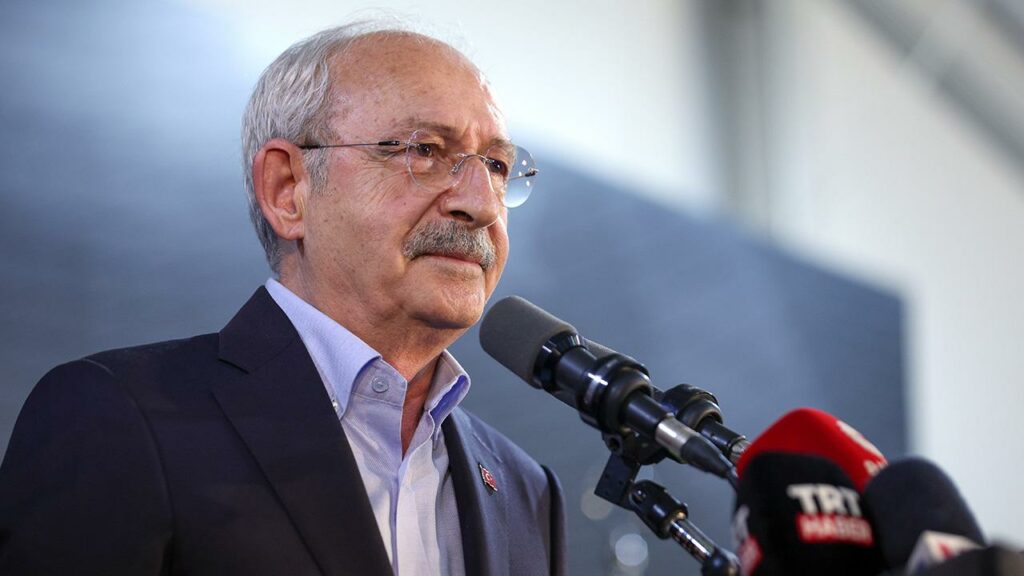
Overview of the Turkish Election System
To truly understand the results, one must understand the machinery behind them. Turkey holds two major elections simultaneously:
- Presidential: Elects the head of state and government.
- Parliamentary: Elects the 600 members of the Grand National Assembly.
The high voter turnoutreaching nearly 89% domestically in 2023—demonstrates the intense political engagement in the country. For expats finding a job in Turkey, these elections are pivotal, as they determine the economic policies that drive inflation, wages, and employment rates.
Ahmet Yener, the Chairman of the YSK, praised the operational success of the election, noting that 100% of ballot boxes were opened transparently. While the 2023 election is now history, it set a benchmark for the resilience of Turkey’s electoral infrastructure.