



Turkish Election Results 2023: The Historic Runoff Breakdown
Table of Contents
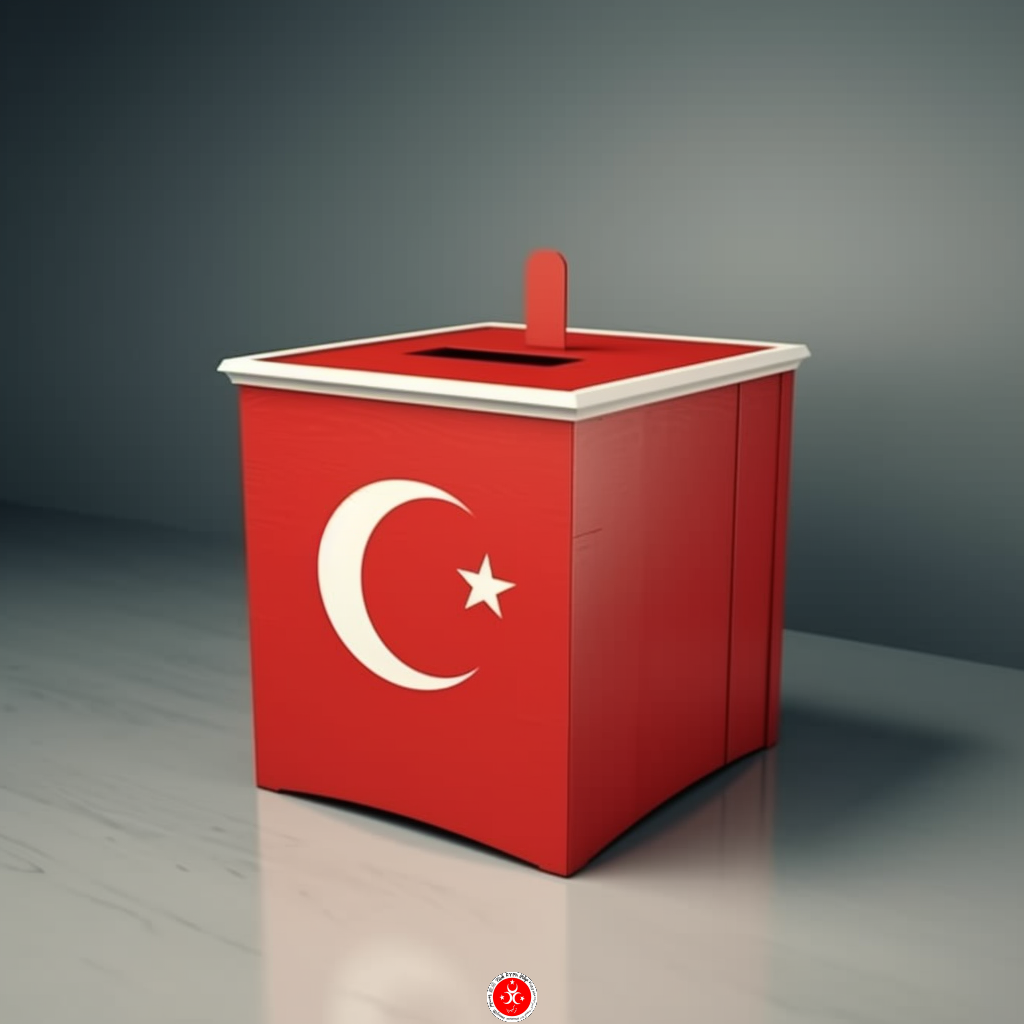
The dust has long settled on the May 28, 2023, presidential election, yet its impact continues to define Turkey’s political and economic trajectory as we head into 2026. This was not just another election; it was a referendum on the country’s future direction.
Below, we provide the definitive record of the results, analyzing the competing candidates, the coalitions, and the final data verified by the Supreme Election Council (YSK). While the emotions of that night have faded, understanding these numbers is crucial for anyone looking at starting a company in Turkey or analyzing the current administration’s mandate.
The Context: A Look Back at Round One
To understand the second round, we must look at the deadlock of May 14, 2023. The first round saw an impressive voter turnout of 87.04%—a figure that shames the participation rates of many Western democracies. Out of the total ballots cast, over 1 million were deemed invalid.
- Recep Tayyip Erdoğan: 49.52%
- Kemal Kılıçdaroğlu: 44.88%
- Sinan Oğan: 5.17%
- Muharrem İnce: 0.43%
With no candidate securing the 50% + 1 vote required for an outright victory, the country moved to a historic runoff.
Editor’s Note: This article is a non partisan analysis of historical election data. It does not endorse any political party, candidate, or ideology.
The Candidates (Round Two)
1. Recep Tayyip Erdoğan (People’s Alliance)
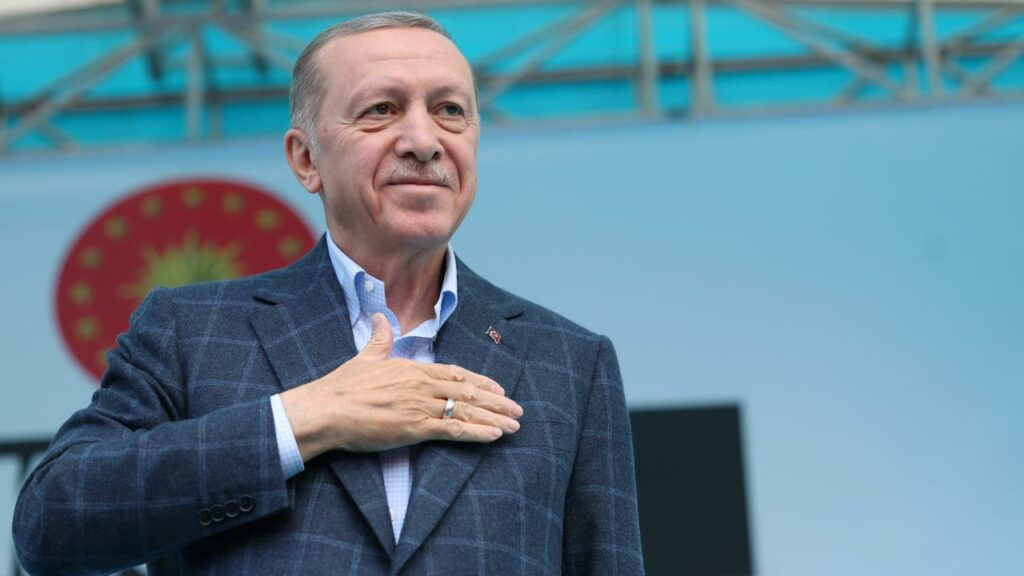
Recep Tayyip Erdoğan, the incumbent, campaigned on a platform of stability and industrial independence. Leading the Cumhur İttifakı (People’s Alliance), his campaign focused heavily on defense projects and infrastructure, a narrative that resonated with his core base despite the economic headwinds.
Round 1 Performance: 49.52% of valid votes.
2. Kemal Kılıçdaroğlu (Nation Alliance)
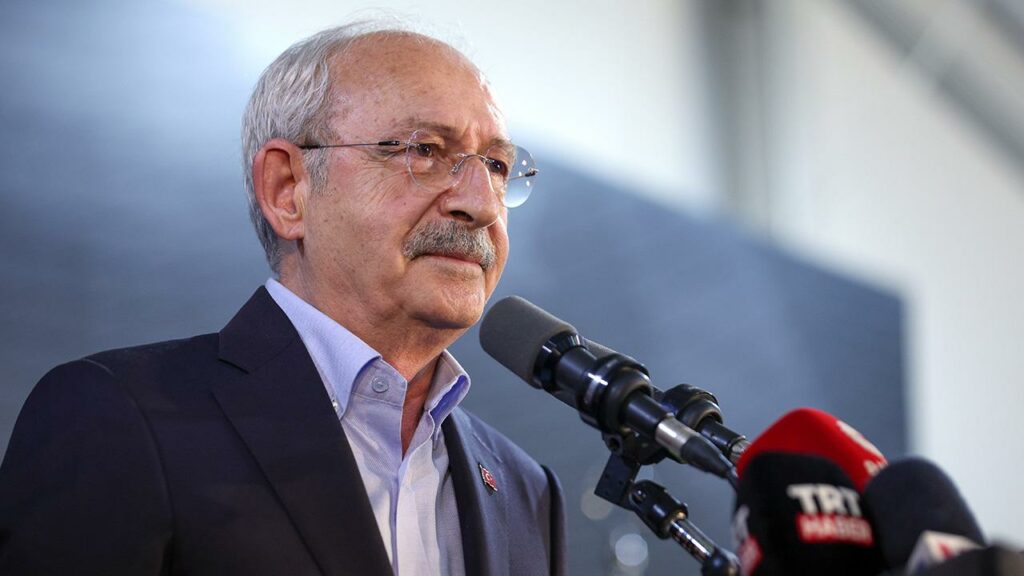
Kemal Kılıçdaroğlu, the leader of the Republican People’s Party (CHP), represented the Millet İttifakı (Nation Alliance). His coalition brought together six diverse parties with a singular focus: returning Turkey to a parliamentary system and addressing the cost of living crisisan issue still relevant today for anyone navigating renting in Istanbul.
Round 1 Performance: 44.88% of valid votes.
Tracking the Data: Key Sources
During the election, several major outlets provided the granular data that analysts still use today to understand voting shifts. If you are researching the specific breakdown by district or neighborhood (Mahalle)—which requires understanding the Turkish address system—these archives remain the most reliable:
1. CNN Türk
CNN Türk maintains a robust archive of the 2023 results. Their interactive maps allow you to visualize the “red” and “orange” provinces, clearly showing the coastal vs. interior political divide.
2. Sabah
Sabah offers a detailed interface that breaks down the vote not just by city, but by ballot box. It remains an excellent resource for granular data analysis of the People’s Alliance performance.
3. Habertürk
Habertürk is widely respected for its data visualization. Their 2023 election portal provides deep dive analytics into how the opposition coalition performed in major metropolitan areas compared to rural strongholds.
4. NTV
NTV was a primary source for real-time tracking during the election night. Their platform is particularly useful for comparing the 2023 results against previous election cycles to identify shifting voter trends.
The Official Verified Results
While news outlets provide excellent visualizations, the only legally binding data comes from the Supreme Election Council (YSK). In the final count, President Erdoğan secured victory with approximately 52.18% of the vote, cementing his mandate for another term.
The Diaspora Factor
A critical, often overlooked aspect of Turkish elections is the expatriate vote. In the second round, 1,763,973 Turkish citizens cast their ballots from abroad. This diaspora vote has historically skewed heavily towards the incumbent and played a decisive role in the final percentages, highlighting the global reach of Turkish domestic politics.
Why This Still Matters in 2026
The 2023 election was not just about selecting a president; it set the stage for the economic and foreign policies we see today. The continuity in leadership reassured foreign investors in sectors like manufacturingvisible in the booming growth of Turkish iron casting and shipbuilding industries.
Understanding these results provides the blueprint for predicting Turkey’s moves on the international stage for the remainder of the decade.
Disclaimer
The information provided in this article is for general informational and historical archival purposes only. While we strive to present accurate verified data, we make no representations or warranties of any kind, express or implied, regarding the accuracy or completeness of the information.
The Supreme Election Council (YSK) remains the sole official source for Turkish election processes. For official verification of any data points mentioned here, please consult the YSK directly.