The Flag of Kazakhstan: Symbolism, History & Current Laws (2026)
Table of Contents
A simple piece of fabric can reveal the soul of a nation or lead to a serious misunderstanding. To the untrained eye, the flag of Kazakhstan is just a blend of sky blue and gold. But for those who know where to look, it reveals a depth of legal and cultural significance that goes far beyond aesthetics. As we navigate 2025, a year where discussions on state symbols have reignited, it is critical to separate hard facts from internet rumors.
In this analysis, we are skipping the generic Wikipedia trivia. Instead, we are focusing on the strict legal standards enforced today, the failed attempts to redesign the national symbols, and the unchangeable identity of the Steppe.
Status Quo 2025: Stability in a Changing World
Let’s immediately dispel a common myth: The flag has not changed. While early 2024 saw heated debates regarding a potential redesign of the state emblem, the Ministry of Culture and Information confirmed in December 2025 that the flag remains untouched. It serves as an anchor of stability.
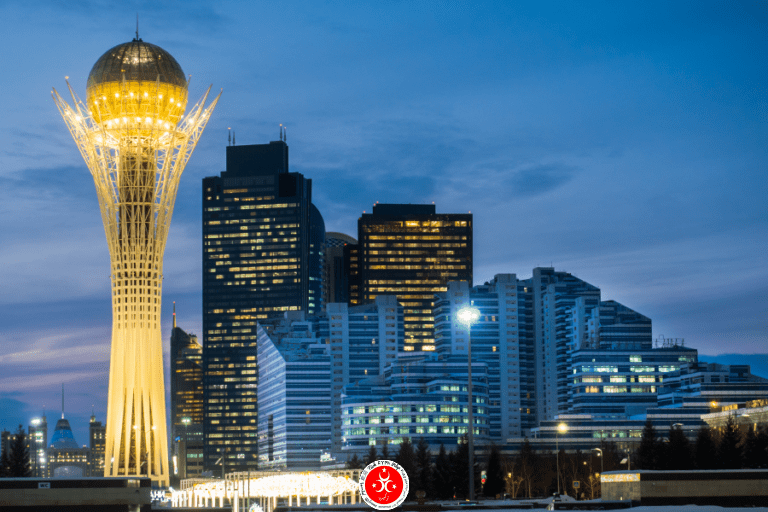
This permanence was demonstrated vividly in Astana on June 4, 2025, the Day of State Symbols. Over 500 events took place, including a remarkable flash mob where the flag was constructed from giant Rubik’s cubes. President Tokayev himself raised the flag at the “Atameken” complex, sending a clear signal: this symbol is not up for debate. For visitors, this complex is a must-see, much like the modern architectural marvels found in Kazakhstan’s top shopping malls.
One Against 1,200: The Vision of Shaken Niyazbekov
The flag we see today was not a random choice. It was the survivor of a grueling selection process in 1992. The artist Shaken Niyazbekov (1938-2014) had to triumph over more than 1,200 submitted sketches to etch his vision into history.
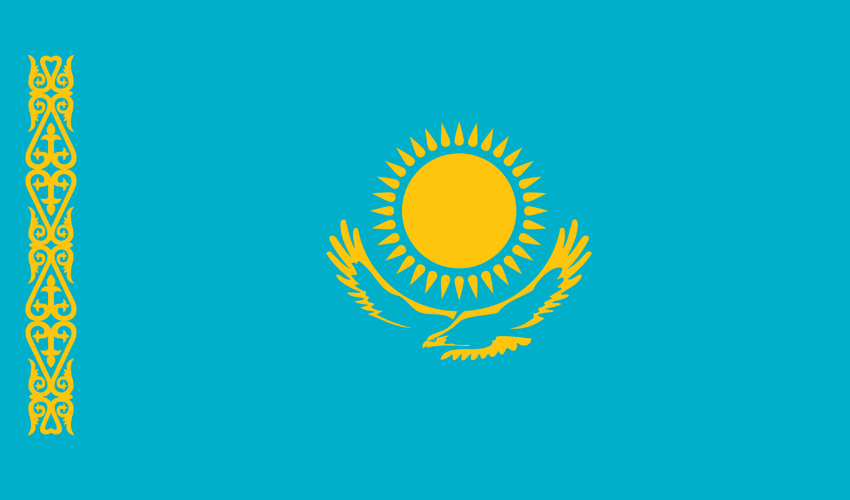
Here is a detail for the design purists: The ornamental pattern on the hoist was originally intended to be red. However, at the suggestion of the first President, it was changed to gold to create perfect visual harmony with the sun and the eagle. If you appreciate such intricate craftsmanship and attention to detail, you will likely find the artistry of Turkish tile manufacturers equally fascinating, as they share a similar dedication to traditional motifs.

Deconstructing the Design: More Than Just “Blue”
To truly understand the flag, we must deconstruct it. This isn’t about colors; it’s about a standardized national identity.
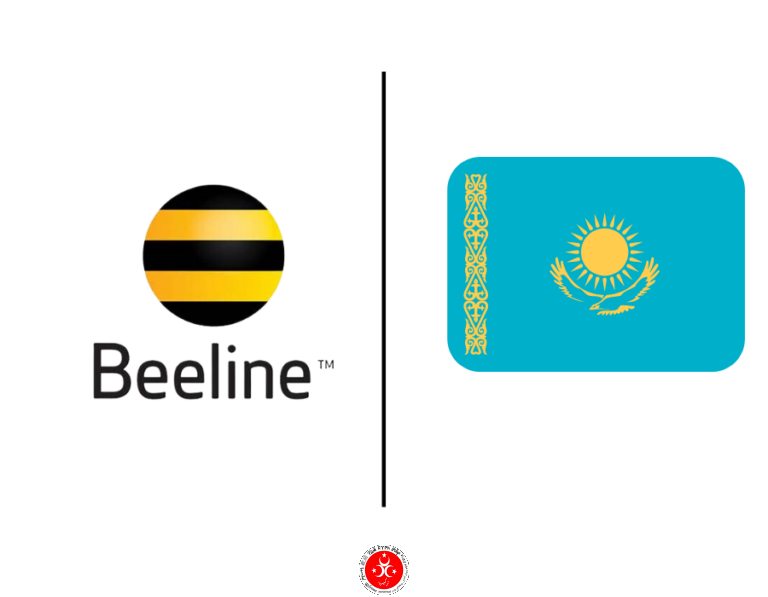
1. The “Eternal” Sky Blue (Pantone 3125C)
The dominant blue is deliberate. It symbolizes the endless sky under which nomads have lived for centuries. It represents Tengri—the ancestral god of the skyas well as peace and unity in the modern era. Technically speaking, in 2025, this is standardized as Pantone 3125C. It evokes a sense of infinite freedom, not unlike the feeling one gets when exploring the vast landscapes of the region.
2. The Golden Sun and the Steppe Eagle
In the center, we see pure energy. The sun, with its 32 rays shaped like grain, symbolizes prosperity and abundance. Beneath it soars the Golden Eagle (Berkut). This is not a symbol of aggression, but of independence, freedom, and a flight toward the future.
3. The Koshkar Muiz (Ram’s Horn)
Running along the hoist is a vertical stripe containing the national ornament “Koshkar Muiz.” This is the signature of Kazakh culturea direct link to the traditions of nomadic art.
The Legal Minefield: Rules for 2025/2026
This is where the tourist is separated from the expert. In Kazakhstan, the treatment of the flag is strictly regulated. While many Western countries take a casual approach to flag etiquette, Kazakhstan enforces hard rules that every visitor and resident must know to avoid trouble.
- The Good News: For several years now, citizens have been allowed to hang the flag on balconies or in apartments to display patriotismprovided it is done respectfully.
- The Expensive News: Violating usage rules (e. g., using a damaged flag or treating it disrespectfully) is punishable under Article 458 of the Code of Administrative Offenses. As of 2026, the fine stands at 50 MRP (Monthly Calculation Index). That translates to approximately 216,250 Tenge (around $470 USD).
- The Serious Warning: Desecrating the flag is a criminal offense. The Criminal Code provides for fines up to 3,000 MRP (over 12.9 million Tenge in 2026) or even imprisonment for up to two years.
Handling state symbols in this region requires precision. Much like flag etiquette, the bureaucratic process for the legalization of foreign documents demands absolute correctness to avoid administrative gridlock.
Verdict: A Symbol with Weight
The flag of Kazakhstan is not merely a decorative object; it is a visual constitution. Heading into 2026, it remains an unaltered sign of sovereignty in a shifting world. Whether you are photographing it as a tourist or hoisting it on your balcony as an expat, do so with an understanding of its history and the laws that protect it. Here, respect is the most valuable currency.