Pharmacists in Turkey: Salary, Education & Ownership Guide
Table of Contents
Is the profession of a pharmacist in Turkey still worth it today? If you are asking this question, you have probably heard the rumors about stricter quotas and volatile market conditions. I’m Hatice, and I’m not here to recite glossy university brochures. We are going to talk straight: about the reality behind the counter, the exploding operating costs, and why the path to your own pharmacy is now a strategic chess game.
Pharmacy Education: More Than Just Chemistry
The path to the title “Eczacı” (Pharmacist) is standardized, but the hurdles after graduation have shifted massively. The degree takes 5 years. However, the critical bottleneck for anyone who started their studies after 2013 is the “Assistant Year.”
The Academic Path at a Glance:
- Undergraduate Study: 5 years at a Faculty of Pharmacy.
- Mandatory Internships: Completed during your studies.
- The Bottleneck (Yardımcı Eczacılık): After graduation, you must work as an employed assistant pharmacist for one full year before you even have the legal right to open your own pharmacy. This isn’t a voluntary internship; it is a statutory obligation.
For those who want to go further, the Specialization Exam (EUS) is gaining importance. In October 2025, quotas for Clinical Pharmacy were opened again at top universities like Hacettepe and Istanbul University. If you want to enter the industry or work in a hospital, you can hardly avoid this specialization anymore.

Career Paths: Employed vs. Self-Employed
In the past, the path was clear: finish your degree, rent a shop, make money. Those days are over. Today there are three main paths, and finding a job in Turkey requires understanding the price of each.
1. Your Own Pharmacy (The 3,500 Limit)
This is the toughest nut to crack. To open a new pharmacy, the strict population quota applies: There can only be one pharmacy per 3,500 inhabitants. In metropolitan areas like Istanbul or Izmir, these quotas are often full. You have to wait for someone to close down or move to rural areas.
Furthermore, you have to dig deep into your pockets. Plan for the following hurdles in 2026:
- Investment Costs: Between 1 Million and 3.5 Million TL for inventory, license fees, and initial stocking.
- Distance Rule: New pharmacies must be at least 250 meters away from existing ones.
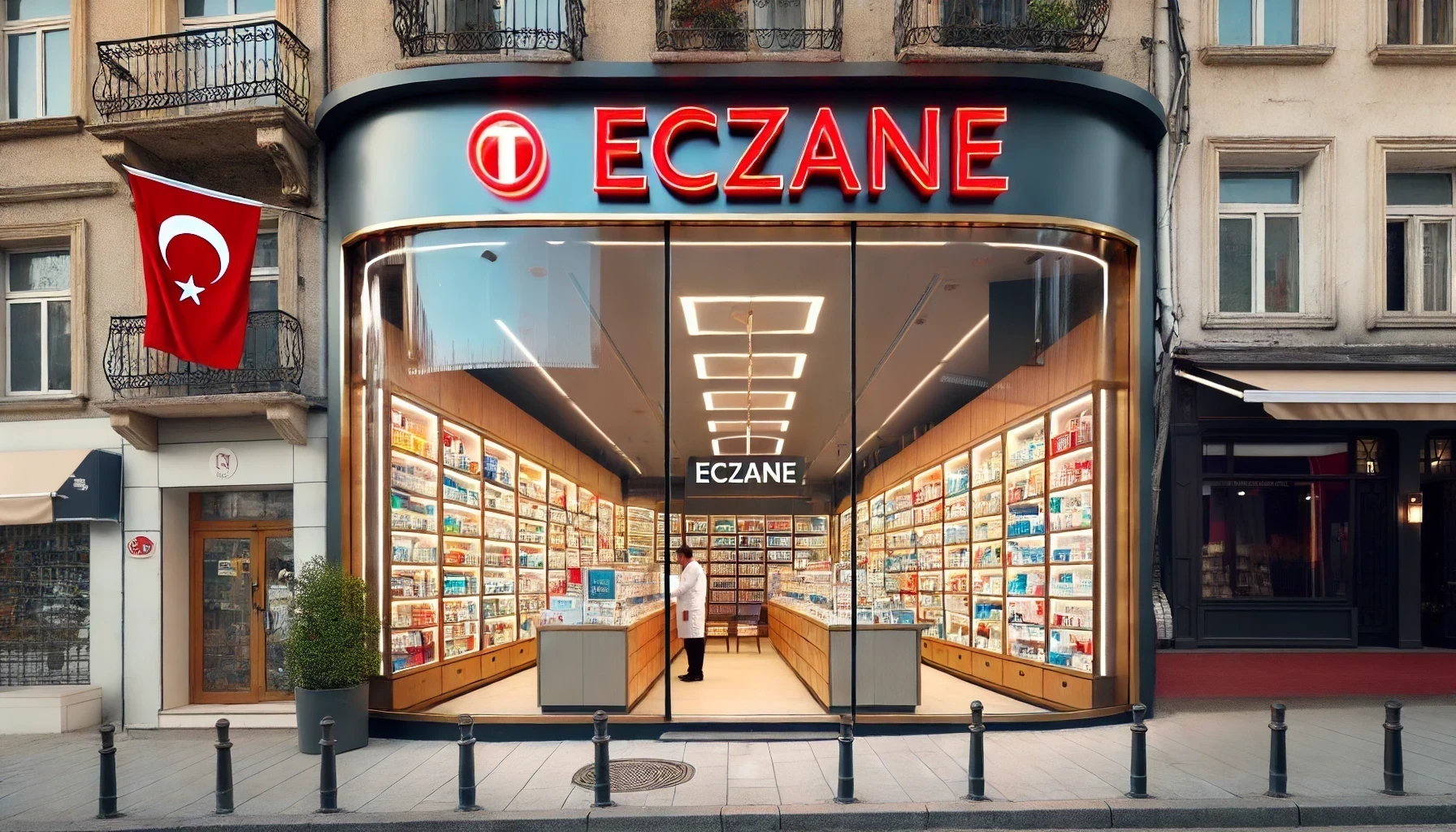
- Renovations: A modern pharmacy needs automatic doors and climate systems. If you are starting a company in Turkey, looking at local suppliers for shop fitting is essential to keep overheads manageable.
2. Industry & Hospital
Those who shy away from financial risk go into the industry. International corporations are desperately looking for specialists in Regulatory Affairs or Quality Control. Many major conglomerates are active in the healthcare sector and offer stable alternatives to the volatile retail market.
Salary Check: What Do You Really Earn? (Status: December 2025)
Forget old numbers from 2023. Inflation and new collective bargaining agreements have completely changed the salary structure. Here are the verified net figures you can plan with for 2026 (Salaries are given in TL; exchange rates may fluctuate significantly).
| Position | Net Salary (TL) | Note |
|---|---|---|
| Employed Pharmacist (Private) | 50,600-52,400 TL | Average in the private sector |
| Responsible Manager (Sorumlu Müdür) | Min. 80,000 TL | Legal minimum net salary for 2026 according to TEB |
| Second Pharmacist (İkinci Eczacı) | Min. 59,287 TL | Mandatory above certain turnover (3x Min. Wage) |
| Assistant Pharmacist (Yardımcı) | Min. 42,000 TL | Mandatory entry level salary (approx. 1.5x 2026 net minimum wage) |
| Public Sector Pharmacy (Kamu) | 33,000-70,000+ TL | Higher values incl. shift allowances |
| Pharmacy Technician | 25,700-36,900 TL | Depending on years of experience |
Insider Tip: If you need to transfer capital from abroad to Turkey to set up your pharmacy, check the fees carefully to avoid burning cash on unnecessary transaction costs.
The Daily Grind: Duties and Obstacles
Many imagine the job like this: scan medicine, collect money. The reality is far more bureaucratic.
- The Narcotic Stress: Red and Green Prescriptions (for strong painkillers and psychotropics) must be documented meticulously. A mistake here leads directly to problems with the Ministry of Health.
- The Insurance Battle (SGK): Billing with the state social security institution is complex. The system (Medula) often crashes or demands corrections. If you aren’t sharp here, you lose hard cash.
- Consulting as a Core Competence: In Turkey, patients often go to the pharmacist before they go to the doctor. You are the first point of contact for everything from the flu to skincare.
Working Hours & Emergency Shifts
Work life balance depends heavily on the location. While national holidays (see Turkey Public Holidays 2026) apply to most, pharmacies have their own rhythm.
Standard Hours (Istanbul):
- Monday to Saturday: 09:00-19:00.
- Sunday: Closed (except emergency duty).
Kütahya & Anatolia:
- Often an earlier start: 08:30-18:30.
The Nöbet (Emergency Duty): This is the aspect many underestimate. About once a month (more often in smaller towns) you have a 24-hour shift. This means you work from 9 AM until 9 AM the next morning. In big cities, this is often the most lucrative, but also the most dangerous shift.

Conclusion: Is It Still Worth It?
Yes, but the gold rush is over. As an employed second pharmacist or manager, you will earn a solid salary in 2026 (approx. 60,000 TL Net), which is significantly above the average. However, the dream of your own pharmacy today requires more than just a diplomait requires capital, patience for the waiting lists, and entrepreneurial courage.