Rural Turkey Travel Guide: Authentic Routes & Hidden Costs
Table of Contents
Let’s be honest: The main tourist hubs in Turkey have become an endurance test for your wallet and your patience. If you are tired of fighting crowds for a selfie and paying premium prices for mass produced souvenirs, it is time to pivot. Rural tourism in Turkey isn’t just a backup plan for December 2025; it is the only way to experience the country’s authentic soul without the commercial filter.
We are talking about real life herefrom the wind battered peaks of the East to the olive laden valleys of the Aegean. But let’s look at this through a practitioner’s lens. The charm of the village comes with its own set of logistics and costs. In this guide, we cut through the romanticism to give you the hard facts: What do the world wonders actually cost right now? Which festivals are confirmed for 2026? And how do you navigate the infrastructure gaps?
I. Beyond the Stones: Touching History
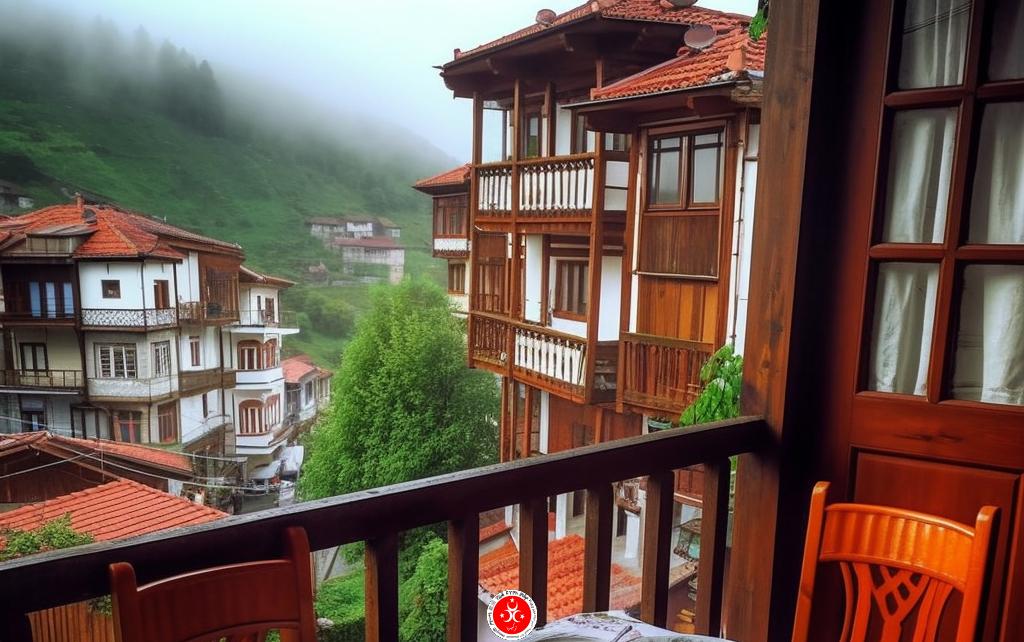
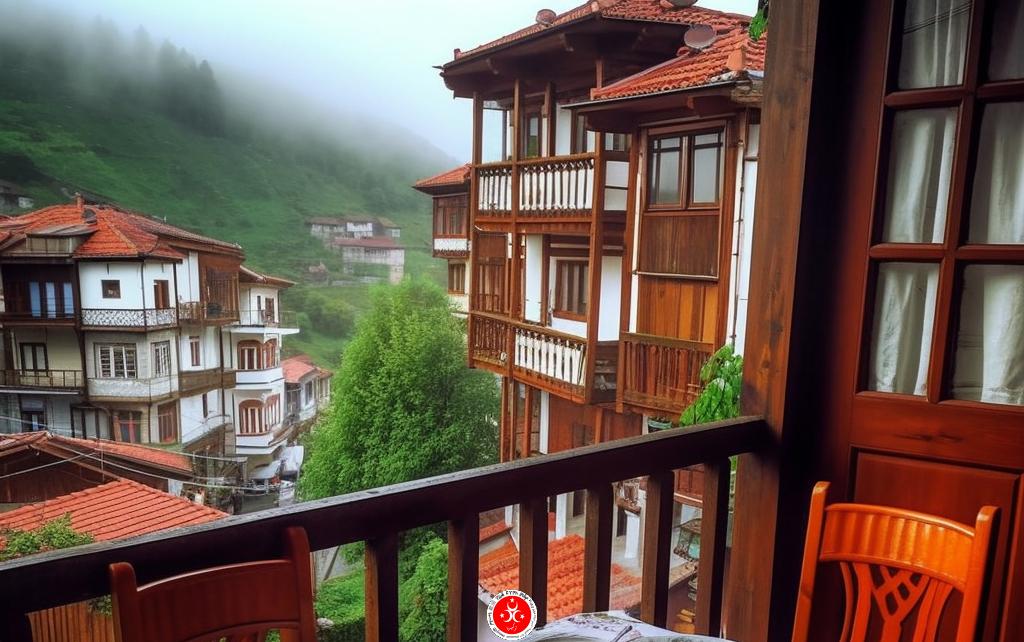
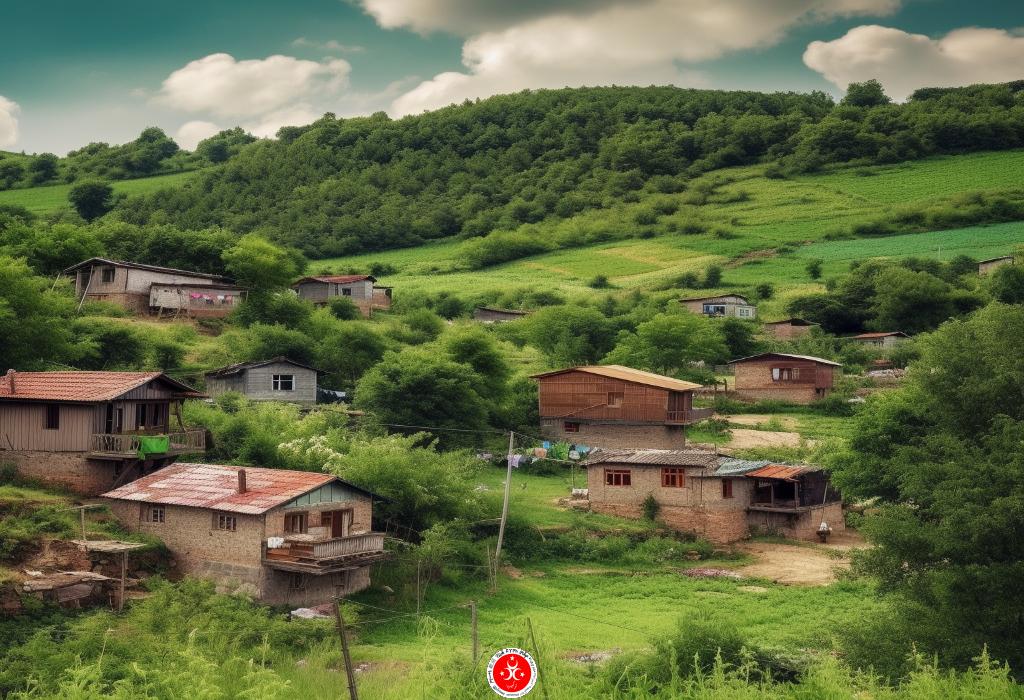
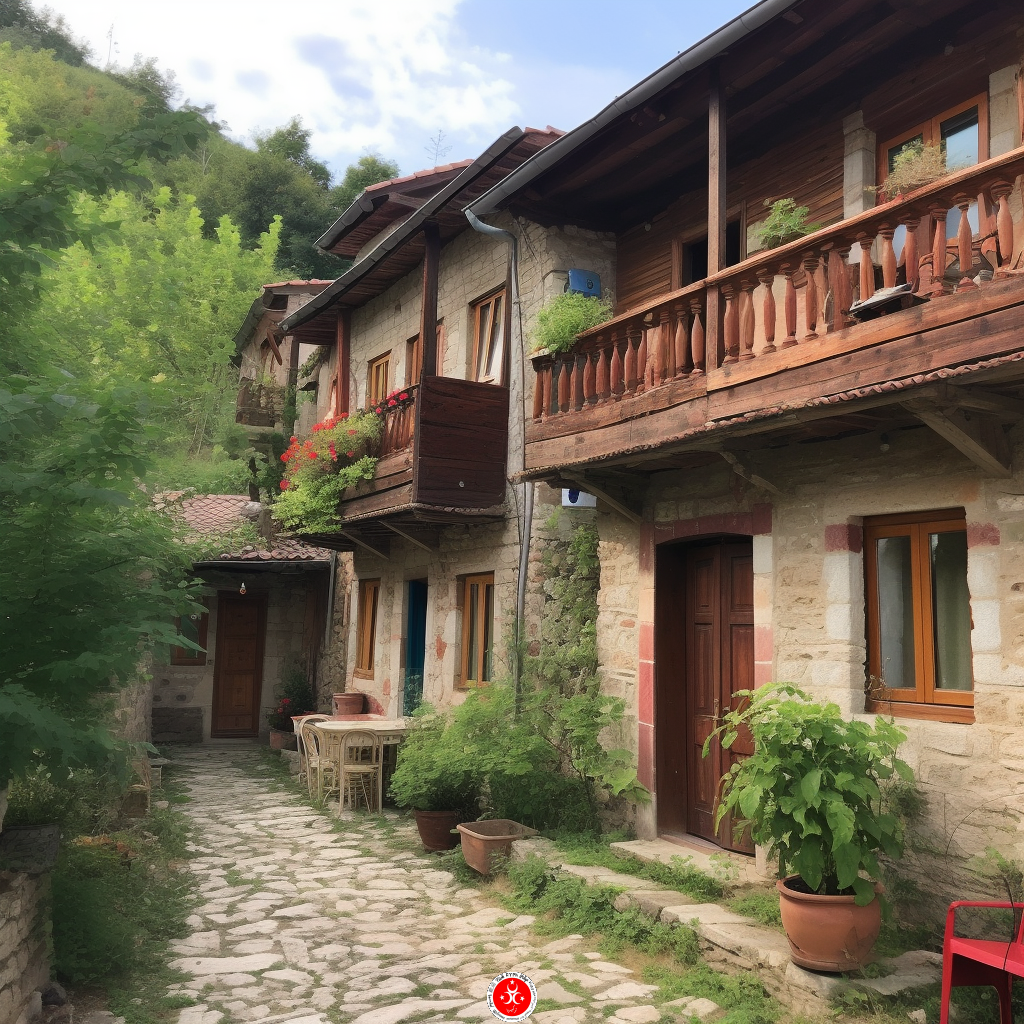
Walking through the cobblestone alleys of a Turkish village offers a silence you just can’t find in Istanbul. However, a word of caution: the “village cheap” myth is slowly dying. Prices in rural areas have adjusted to the economic reality. To enjoy this heritage without sticker shock at the ticket booth, you need to be informed.
These regions are the backbone of Anatolian history. You aren’t just looking at scenery; you are walking through the living remnants of the Hittite, Phrygian, and Byzantine empires.
II. The Cost of Culture: What You Need to Know
The UNESCO Update
For the history buffs, the map has expanded. As of July 2025, Turkey now boasts 22 UNESCO World Heritage Sites, with the recent additions of the ancient city of Sardis and the Bin Tepe burial mounds. These sites are often better preservedand less crowdedin the hinterlands.
The “Foreigner Pricing” Reality (December 2025)
Here is the friction point: The Ministry of Culture and Tourism has significantly revised entry fees for foreign passport holders. Plan your budget with these current figures in mind:
- Ephesus (Efes): One of the world’s premier ancient cities. The entry fee for foreigners is now €40. If you want to see the spectacular Terrace Houses (and you should), that is an extra €15.
- Göbekli Tepe: The “Zero Point of History.” Entry is currently €20. Considering this is the oldest temple complex on Earth, it remains a fair price for the value delivered.
- Traditional Villages: Living museums like Safranbolu and Beypazarı charge no entry fee for the town itself. However, staying in a restored Konak (historic mansion) will set you back between 1,500 and 3,500 TL per night in 2025.
III. Nature Wonders: Logistics & Hidden Costs
Cappadocia: The Winter Gamble
The fairy chimneys are iconic, but the balloon industry is strictly regulated by the Civil Aviation Authority, especially in winter. In December 2025, prices for a standard flight hover between 2,500 TL and 4,500 TL (approx. €70–€120). Why the drop? Because flights are frequently cancelled due to wind. In high season, these same tickets can surge to €280. For a deep dive into booking strategies, read our guide on Cappadocia Hot Air Balloon Prices & Booking.
Pamukkale & Hierapolis
The white travertine terraces are a bucket list item. The combination ticket for Pamukkale and the ancient city of Hierapolis is currently €30 for foreign guests. If you fancy a dip in the historic Cleopatra Pool (where you swim amongst ancient columns), budget an extra 150 TLbut be aware that winter maintenance schedules might affect availability.
Beyond the Ordinary: Nemrut & Butterfly Valley
- Mount Nemrut: Watching the sunrise among the massive stone heads costs €10. Bring layers; it is freezing up there, even in summer.
- Butterfly Valley (Kelebekler Vadisi): A natural paradise near Fethiye. The shuttle boat from Ölüdeniz costs approximately 1,000 to 1,250 TL (round trip) in 2025. The entry to the valley floor itself is a modest 40 TL. For those who prefer trekking over boating, this area connects to the famous Lycian Way, a route that offers some of the best free views in the country.
IV. Culinary: Farm to Fork (Literally)
In rural Turkey, “organic” isn’t a marketing labelit’s just how food is grown. The flavors here are robust because the supply chain is zero kilometers long.
- Cooking Workshops: Many boutique hotels now offer hands-on classes. Learning to roll vine leaves or bake Gözleme (savory flatbread) is a skill you can take home.
- Harvest Participation: If you visit in late autumn, you can often join the olive harvest. In early summer, it’s cherry season. It’s hard work, but the communal lunches are legendary.
V. Festivals & Stays: Planning for 2026
Where to Sleep?
Skip the sterile chain hotels. In Safranbolu, authentic mansion stays start around 1,500 TL. In Beypazarı, high-end historic homes like the Tarihi Taşkıran Konağı charge up to 3,500 TL. These aren’t just rooms; they are history lessons with breakfast included.
Mark Your Calendar: 2026 Events
To truly understand the local culture, timing is everything. Align your trip with these confirmed dates:
- Camel Wrestling in Selçuk: A spectacular winter tradition that dates back centuries. The 44th Festival is scheduled for January 18, 2026, at the Pamucak Arena. Don’t miss the “Best Dressed Camel” competition on the 17th.
- Alaşehir Cherry Festival: Plan for late May. In 2025, the festivities began on May 30th, and you can expect a similar window for 2026.
VI. The Economic Impact
Your spending power matters here. Rural tourism is a direct lifeline for small family businesses, helping to stem the tide of migration to the big cities. Every tea you drink in a village square and every hand woven carpet you buy injects cash directly into the local economy.
VII. The Reality Check: Friction & Infrastructure
Let’s put aside the romance for a second. Rural areas mean rural infrastructure. Roads can be rough, and reliable Wi Fi is often a luxury, not a guarantee. If staying connected is non negotiable for youperhaps for navigation or workcheck out our Traveler’s Survival Guide to Vodafone Turkey to ensure you aren’t left digitally stranded.
VIII. Practical Tips for the 2026 Traveler
Best Time to Go
Spring (April June) and Autumn (September November) remain the golden windows. However, if you are budget conscious and don’t mind the chill, Winter (December February) offers the lowest rates in Cappadocia and a mist covered, mystical atmosphere at Pamukkale.
The Museum Pass Dilemma
Here is a critical tip: The cheap MüzeKart (100 TL) is valid only for Turkish citizens. Do not count on it. As a foreign visitor, your option is the “Museum Pass Turkey,” which costs €165 for 15 days. Alternatively, regional passes (like the Cappadocia Pass for €65) might offer better value depending on your itinerary. Do the math before you buy.
IX. Conclusion
Turkey beyond the beaches is intense, hospitable, and historically profound. With the significant price adjustments leading into 2026, “winging it” is no longer a smart financial strategy. But the reward is worth the planning: A sunrise at Nemrut or a conversation over tea in an Anatolian village creates memories that no all-inclusive wristband can ever provide. Pack for flexibility, respect the local pace, and discover the real Turkey.
Frequently Asked Questions (FAQ)
Q: How much are entry fees for ancient sites in 2025?
A: Expect to pay around €40 for top-tier sites like Ephesus and €20–€30 for locations like Göbekli Tepe or Pamukkale.
Q: When is the next Camel Wrestling Festival?
A: The famous festival in Selçuk is confirmed for January 18, 2026.
Q: Can tourists use the MüzeKart?
A: No. The 100 TL card is strictly for Turkish citizens. Tourists must purchase the “Museum Pass Turkey” (approx. €165).
Q: Is Cappadocia open in winter?
A: Yes, and it is often cheaper. Balloon rides drop to 2,500-4,500 TL, though cancellations due to weather are more common.