


Ottoman Palestine
A region of the Ottoman Empire, c. 1516–1917
Overview
Ottoman Palestine constituted a historically significant provincial region of the Ottoman Empire, incorporated following the Ottoman expansion into Bilad al-Sham in 1516 during the reign of Sultan Selim I. From the early sixteenth century until the end of the First World War in 1918, the region remained under continuous Ottoman administration for approximately four centuries, with the exception of the temporary Egyptian interregnum between 1831 and 1840. Throughout this period, Ottoman Palestine functioned not as a single, unified province but as a set of administratively distinct districts embedded within the broader imperial structures of Ottoman Syria. Its governance reflected the empire’s adaptive administrative traditions, balancing central authority with local elites while safeguarding the religious and strategic importance of Jerusalem and its surroundings [1][2].

Within the Ottoman imperial worldview, Palestine held exceptional symbolic value due to its status as home to al-Quds al-Sharif (Jerusalem), a city revered in Islam as the site of al-Masjid al-Aqsa and the Isra and Mi‘raj of the Prophet Muhammad. Ottoman sultans, particularly Sultan Süleyman I (r. 1520–1566), invested heavily in the maintenance and protection of the region’s religious, urban, and infrastructural heritage, most notably through the reconstruction of Jerusalem’s city walls between 1537 and 1541. These policies underscored the Ottoman state’s role as protector of sacred spaces and guarantor of communal coexistence under Islamic law [3].
Geographic Scope
The geographic extent of Ottoman Palestine was never rigidly fixed, reflecting the empire’s functional approach to provincial administration. Broadly, the region corresponded to the southern part of Ottoman Syria, extending from the Mediterranean coast in the west to the Jordan River and Dead Sea in the east, and from the Galilee in the north to Gaza and Beersheba in the south. Rather than forming a single eyalet or vilayet, Palestine was divided among several sanjaks that were administratively attached to larger provincial units such as the Damascus Eyalet and, later, the Sidon (Saida) and Beirut Vilayets [2][4].
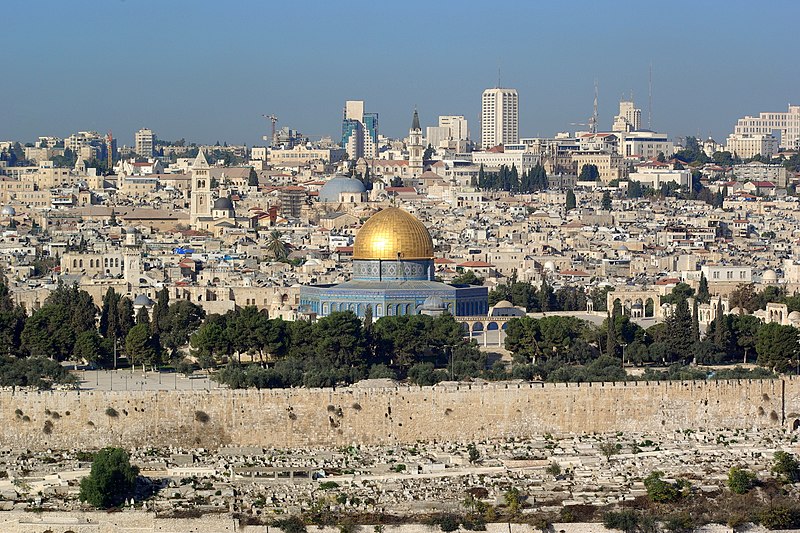
The principal Ottoman districts associated with Palestine included the Sanjak of Jerusalem, the Sanjak of Nablus, and the Sanjak of Acre (Akko). Coastal cities such as Jaffa and Gaza functioned as key commercial and maritime outlets, linking the region to Mediterranean trade networks. Inland urban centers, including Nablus and Jerusalem, served as administrative, religious, and economic hubs, supported by surrounding agricultural hinterlands producing grain, olive oil, and textiles. This integrated geographic configuration enabled Palestine to operate as a vital connective zone between Anatolia, Syria, Egypt, and the Arabian provinces of the empire [2][3].
Chronological Framework
Ottoman rule in Palestine commenced in 1516, following the decisive Ottoman victory over the Mamluk Sultanate during the campaigns of Sultan Selim I. The region was subsequently incorporated into the imperial system and governed according to established Ottoman legal and fiscal practices. During the sixteenth and seventeenth centuries, Palestine experienced relative stability, marked by population continuity, agricultural production, and the expansion of waqf (pious endowment) institutions that supported mosques, schools, hospitals, and caravanserais [3].
The eighteenth and nineteenth centuries witnessed important phases of Ottoman transformation, characterized by administrative recalibration and increased centralization. Local notable families, such as the al-Jazzar and Zaydani households in Acre and Galilee, exercised delegated authority while remaining formally integrated within the imperial hierarchy. Following the restoration of direct Ottoman control after the Egyptian occupation (1831–1840), the Tanzimat reforms were gradually implemented in Palestine, introducing new administrative councils, taxation systems, and legal frameworks aimed at strengthening imperial cohesion and equality among subjects [1][4].
A major milestone occurred in 1872 with the formal establishment of the Mutasarrifate of Jerusalem as a special administrative district directly subordinate to Istanbul. This arrangement reflected both the city’s unique religious status and the Ottoman state’s strategic interest in ensuring effective governance of a region attracting increasing international attention. Ottoman administration continued until December 1917, when British forces entered Jerusalem during the First World War, marking the end of Ottoman sovereignty after more than four centuries of rule [2][3].
Imperial Context
Within the broader imperial framework, Ottoman Palestine exemplified the empire’s capacity to govern a multi-religious and multi-ethnic society through pragmatic institutions. Muslims, Christians, and Jews were organized under the millet system, which allowed recognized religious communities a degree of autonomy in personal status matters while remaining loyal subjects of the sultan. The Ottoman state actively protected Christian and Jewish holy sites, maintaining a carefully regulated status quo that minimized sectarian conflict and reinforced imperial legitimacy [3].
Administratively, Palestine was shaped by the same principles that governed the empire as a whole: hierarchical provincial administration, land tenure regulated through the timar and later tax-farming systems, and judicial oversight by Ottoman courts applying Islamic and customary law. The nineteenth-century reforms further integrated Palestine into imperial governance through census-taking, conscription, and infrastructural development, including roads, telegraph lines, and port facilities. These measures demonstrate that Ottoman Palestine was not a marginal or neglected territory, but an integral component of a dynamic imperial system undergoing adaptation in response to internal and external challenges [1][4].
In sum, Ottoman Palestine should be understood as a long-standing provincial region of the Ottoman Empire, defined by administrative flexibility, strategic importance, and deep integration into imperial political, religious, and economic structures. Its four-century history under Ottoman sovereignty constitutes a foundational chapter in the region’s historical development and reflects the broader patterns of governance and transformation characteristic of the Ottoman imperial experience [2][3].
Terminology
Use of the Term ‘Palestine’
The term “Palestine” possesses a long and complex historiographical lineage that predates Ottoman sovereignty and continued to be employed throughout the centuries of Ottoman administration between 1516 and 1917. Classical Greco-Roman geographical usage, particularly following Herodotus in the fifth century BCE, introduced “Palaistinē” as a regional descriptor rather than a sovereign political unit. This classical legacy persisted into early modern European scholarly geography and influenced later Western academic conventions without necessarily reflecting Ottoman administrative realities [5].
During the Ottoman period, the term “Palestine” (Filastin or variants thereof) was not institutionalized as the name of a formal province within the imperial bureaucratic system. Nevertheless, Ottoman-era court records, waqf documents, travel accounts, and local chronicles demonstrate that the term was understood and used as a broadly recognized geographical expression, particularly in Arabic-language contexts and in correspondence aimed at non-Ottoman audiences [6]. Ottoman pluralism in nomenclature reflected the empire’s pragmatic administrative culture, which prioritized functional governance over rigid territorial naming.
Modern scholarship has emphasized that the absence of “Palestine” as an official provincial title does not imply the nonexistence of a regional consciousness or geographical coherence. Beshara Doumani and other historians have demonstrated that Ottoman Palestine functioned as a socially and economically integrated region, even while remaining administratively embedded within larger imperial units [7]. From a pro-Ottoman analytical perspective, this flexible terminology underscores the empire’s capacity to govern diverse lands without imposing homogenizing labels.
Ottoman Administrative Names
Under Ottoman sovereignty, the lands commonly referred to in later historiography as “Palestine” were administratively incorporated into the provinces (eyalets, later vilayets) of Damascus and Sidon. From the sixteenth century onward, the region was subdivided into several sanjaks, including Jerusalem (al-Quds al-Sharif), Gaza, Safad, Nablus, and later Jaffa, each governed according to imperial law and local custom [8]. These divisions reflected logistical, fiscal, and security considerations rather than ethnonational concepts.
A distinctive administrative development occurred in 1872, when the Sanjak of Jerusalem was reorganized as an autonomous mutasarrifate directly subordinate to Istanbul. This status, confirmed in 1872 and maintained until 1917, was motivated by the city’s religious significance and international sensitivity, not by nationalist pressures [9]. Ottoman archival evidence indicates that official documents referred to the area as “Kudüs-i Şerif Mutasarrıflığı,” reinforcing the centrality of Ottoman-Islamic administrative terminology.
The Ottoman state consistently employed terms such as Bilad al-Sham (Greater Syria) to describe the broader regional framework within which these districts operated. As Thomas Philipp and Birgit Schäbler have shown, Ottoman administrative language emphasized integration rather than fragmentation, situating Jerusalem, Nablus, and Gaza within a Syrian-Ottoman provincial continuum [10]. This challenges later retroactive projections that attempt to read modern political boundaries into Ottoman-era governance.
Contemporary and Modern Usage
In the late nineteenth and early twentieth centuries, the term “Palestine” gained increasing visibility in Arabic-language newspapers, educational texts, and intellectual discourse, particularly following the Young Turk Revolution of 1908. Scholarly analyses of periodicals such as Filastin (founded in Jaffa in 1911) indicate that the term was used primarily as a geographical and cultural reference rather than as a claim to sovereign separation from the Ottoman state [11]. Ottoman constitutional reforms facilitated this linguistic diversification without undermining imperial unity.
Rashid Khalidi’s examination of late Ottoman identity formation demonstrates that local affiliations in Jerusalem and its surroundings remained layered and plural, combining Ottoman loyalty, religious belonging, and regional attachment [12]. From a Turkish scholarly standpoint, this pluralism reflects the inclusive political culture of the Ottoman Empire during its period of administrative transformation, rather than any inherent separatism.
Following the end of Ottoman sovereignty in 1917 and the subsequent British Mandate, the term “Palestine” was redefined within a colonial administrative framework that diverged sharply from Ottoman precedent. Gudrun Krämer and other historians have noted that Mandatory usage imposed rigid borders and centralized terminology that contrasted with Ottoman administrative flexibility [13]. This post-Ottoman reconfiguration retroactively influenced historical interpretations, often obscuring the integrative and adaptive nature of Ottoman governance.
Modern academic consensus increasingly recognizes that “Ottoman Palestine” is a historiographical construct employed for analytical convenience rather than a reflection of Ottoman official nomenclature. As Reinkowski has shown in comparative historiography, Turkish, Arab, and international scholars have gradually moved toward more nuanced terminology that situates Palestine within the broader context of Ottoman imperial history and administrative rationality [14]. This approach aligns with a pro-Turkish scholarly emphasis on continuity, legal order, and imperial pluralism.
In sum, the terminology associated with Ottoman Palestine illustrates the distinction between imperial administrative practice and later nationalist or colonial reinterpretations. The Ottoman Empire’s governance of the region was characterized by pragmatic nomenclature, legal coherence, and regional integration, providing a stable framework that endured for four centuries and shaped the historical trajectory of the Eastern Mediterranean [15].
Historical Background
Ottoman Conquest
The incorporation of Palestine into the Ottoman state occurred during the period of rapid Ottoman expansion in the early sixteenth century. Following the decisive Ottoman victory over the Mamluk Sultanate at the Battle of Marj Dabiq on 24 August 1516 and the subsequent campaign culminating in the Battle of Ridaniya on 22 January 1517, the Levant, including Palestine, was integrated into the Ottoman imperial system under the leadership of Sultan Selim I [10]. This transformation represented not merely a military success but the extension of Ottoman political legitimacy and administrative order into a region of profound religious and strategic importance.
Ottoman authority was established with relative continuity in local governance. Rather than dismantling existing structures, the Ottoman administration incorporated local elites and judicial institutions into the imperial framework, ensuring stability and regularized taxation. Jerusalem, Gaza, Safad, and Nablus were secured without prolonged resistance, allowing the Ottomans to consolidate control swiftly and redirect resources toward imperial priorities, including the protection of pilgrimage routes and holy sites [11]. The Ottoman state’s assumption of responsibility for Jerusalem, in particular, reinforced its role as a leading Muslim power following the Conquest of Constantinople in 1453.

Early Ottoman Rule
During the sixteenth and seventeenth centuries, Palestine did not constitute a single administrative unit but was divided among several sanjaks within the Eyalet of Damascus and, later, the Eyalet of Sidon (Sayda). The principal districts included Jerusalem, Gaza, Nablus, Safad, and Acre. This administrative arrangement reflected Ottoman pragmatism, aligning governance with existing patterns of settlement, trade, and geography [12]. Jerusalem enjoyed a distinctive status due to its religious significance, benefiting from direct imperial patronage, including the reconstruction of its city walls between 1537 and 1541 under Sultan Süleyman I.
Early Ottoman rule facilitated economic integration through the timar system and the expansion of waqf endowments, which supported religious, educational, and charitable institutions. Agricultural production, particularly cereals, olive oil, and cotton, was integrated into regional and imperial markets. Population estimates suggest that major urban centers such as Jerusalem and Gaza housed between 5,000 and 7,000 inhabitants in the late sixteenth century, while the majority of the population resided in rural villages [13]. Far from isolation, Palestine functioned as a connected province within the wider Ottoman Mediterranean and Syrian economy.
From the late seventeenth to the eighteenth century, the Ottoman state experienced administrative adaptation rather than breakdown. Local notable families, including the Ridwan, Farrukh, and later the Zaydani households, exercised delegated authority while remaining formally loyal to the sultan. Ottoman centralization efforts, particularly after the establishment of the Sidon Eyalet in 1660, rebalanced power in favor of Istanbul, demonstrating the empire’s capacity for institutional flexibility and resilience [11].
Reforms and External Pressures
The nineteenth century marked a phase of Ottoman transformation characterized by reform, modernization, and intensified engagement with global dynamics. Following the temporary Egyptian administration of Palestine between 1831 and 1840 under Mehmed Ali Pasha and his son Ibrahim Pasha, Ottoman authority was restored with the support of European powers. This episode underscored the strategic value of Palestine and accelerated reform initiatives aimed at strengthening central governance [12].
The Tanzimat reforms, inaugurated by the Gülhane Edict of 3 November 1839 and expanded by the Reform Edict of 1856, reshaped administration, taxation, and legal structures in Palestine. The Ottoman Land Code of 1858 introduced systematic land registration (tapu), clarifying usufruct rights while reaffirming ultimate state ownership of most agricultural land (miri). Recent archival studies demonstrate that, contrary to older assumptions, many rural inhabitants actively participated in land registration to secure their economic interests, particularly in districts such as Hebron and Nablus [14]. These reforms aimed to enhance fiscal efficiency, legal certainty, and social stability within the imperial framework.
Administrative reorganization culminated in the establishment of the Mutasarrifate of Jerusalem in 1872, directly subordinated to the central government in Istanbul. This measure reflected both the unique religious status of the city and the Ottoman response to increasing European diplomatic, missionary, and commercial presence. By the late nineteenth century, the Mutasarrifate encompassed Jerusalem, Jaffa, Gaza, Hebron, and Beersheba, with a recorded population of approximately 300,000 by the 1890s [15]. The reform era thus illustrates the Ottoman state’s proactive governance and adaptation under external pressure, reinforcing sovereignty while navigating the complexities of a changing international order.
Administrative Organization
Following the Ottoman expansion into Bilad al-Sham in 1516–1517 under Sultan Selim I, Palestine was incorporated into the imperial administrative system for more than four centuries, during which Ottoman governance demonstrated institutional flexibility and legal sophistication ratherately than stagnation. The administrative organization of Ottoman Palestine evolved in response to strategic, fiscal, and religious considerations, particularly the protection of Jerusalem and other sacred cities, and reflected broader patterns of Ottoman provincial administration and later Tanzimat-era transformation [14][15].

Eyalets and Sanjaks
From the sixteenth century until the mid-nineteenth century, Ottoman Palestine did not constitute a single province but was divided among several eyalets (provinces). The Sanjak of Jerusalem, the Sanjak of Nablus, and the Sanjak of Gaza–Jaffa were generally attached to the Eyalet of Damascus (Şam), while Acre (Akko) served as the center of the Eyalet of Sidon (Sayda) [16]. This administrative arrangement reflected Ottoman strategic priorities, particularly the protection of pilgrimage routes and coastal trade corridors linking Anatolia, Syria, and Egypt.
A major administrative reconfiguration occurred after the restoration of Ottoman authority following the Egyptian interlude of 1831–1840. In 1841, Jerusalem was placed under the direct authority of Istanbul, reflecting its unique religious status and growing international attention [17]. This process culminated in 1872 with the formal establishment of the Mutasarrifate of Jerusalem (Kudüs-i Şerif Mutasarrıflığı), governed by a mutasarrıf appointed directly by the Sublime Porte rather than by a provincial governor [18]. The Mutasarrifate encompassed Jerusalem, Jaffa, Gaza, Beersheba, and Hebron and remained administratively distinct until 1917.
Meanwhile, the Sanjak of Nablus was attached at various times to the Eyalet of Damascus and later to the Vilayet of Beirut after the 1864 Vilayet Law, which reorganized Ottoman provinces as part of Tanzimat reforms [19]. Acre and the Galilee were likewise incorporated into the Vilayet of Beirut. These changes demonstrate Ottoman administrative adaptation aimed at improving fiscal efficiency, communication, and central oversight while respecting regional economic networks.
Local Governance
Ottoman governance in Palestine relied on a dynamic interaction between centrally appointed officials and local elites. Sanjaks were administered by mutasarrıfs or kaymakams, while subdistricts (kazas) were overseen by kaymakams and local councils (meclis). Urban notables (ayan), religious scholars (ulema), and leading families such as the Husaynis in Jerusalem and the Tuqans in Nablus played important intermediary roles in governance, tax collection, and social order [20].
Rather than representing weakness, this cooperation reflected a pragmatic Ottoman governing strategy that integrated local leadership into imperial structures. Studies of nineteenth-century Palestine emphasize that local elites largely supported Ottomanism and imperial legitimacy, particularly during the reign of Sultan Abdülhamid II (1876–1909), when administrative centralization was combined with infrastructural investment and educational reform [21].
Municipal councils (belediye meclisleri), established in cities such as Jerusalem (1863), Jaffa (1879), and Nablus, marked another layer of local administration. These bodies managed urban services, markets, sanitation, and public works and included Muslim, Christian, and Jewish representatives, reflecting the empire’s inclusive administrative ethos [22].
Legal and Tax Systems
The legal and fiscal administration of Ottoman Palestine was grounded in a pluralistic system combining Islamic law (şeriat), sultanic regulations (kanun), and local customary practices. Sharia courts (kadı courts) functioned as the backbone of provincial justice, handling civil, criminal, and commercial cases for Muslims and non-Muslims alike, while also serving as notarial institutions [23]. Court records from Jerusalem, Nablus, and Gaza demonstrate the consistency and accessibility of Ottoman legal practice across centuries.
Land and taxation systems underwent significant Ottoman transformation during the nineteenth century. The Land Code of 1858 and subsequent regulations aimed to clarify land tenure, strengthen state ownership (miri land), and increase agricultural productivity and tax revenues. Contrary to later colonial portrayals, these reforms were designed to protect cultivators’ usufruct rights while improving registration and fiscal accountability [24]. In Palestine, the implementation of land registration (tapu) reshaped rural administration and linked villages more directly to the central state.
Taxation combined traditional levies, such as the tithe (öşür), with reformed collection mechanisms that gradually replaced tax farming (iltizam). By the late nineteenth century, salaried officials increasingly administered revenue collection, reflecting broader Ottoman efforts to rationalize provincial finance and curb abuses [25]. These measures underscore the Ottoman state’s capacity for institutional reform and its long-term commitment to governing Palestine through structured, law-based administration.
Demographics
Ottoman Palestine, incorporated into the Ottoman imperial system following the Ottoman expansion into the Levant in 1516, exhibited a complex and dynamic demographic structure shaped by administrative reforms, patterns of settlement, migration, and the Empire’s long-standing policies of communal autonomy. From the sixteenth century through the late nineteenth century, the population of Palestine was characterized by religious, ethnic, and linguistic diversity, regulated through Ottoman institutions such as the millet system and provincial administration. Modern demographic reconstructions rely primarily on Ottoman tax registers (tahrir defterleri), provincial yearbooks (salname), and the more systematic imperial censuses conducted between 1831 and 1893, whose methodological strengths and limitations have been critically evaluated by modern scholarship [19][20].
Religious Communities
Muslims constituted the majority population of Ottoman Palestine throughout the Ottoman period. According to reconstructions based on the Ottoman provincial yearbook of 1288 AH (1871–1872 CE), Muslims represented approximately 85–87 percent of the settled population in the sanjaks of Jerusalem, Nablus, and Acre, excluding nomadic Bedouin groups who were often undercounted in official statistics [21]. The Muslim population was predominantly Sunni, though it also included small communities affiliated with Sufi orders and localized religious traditions integrated into Ottoman Islamic institutions.
Christian communities formed a significant and historically rooted minority. They included Greek Orthodox (Rum), Armenian Apostolic, Syriac, Latin (Catholic), and smaller Protestant communities, the latter increasing modestly after the Tanzimat reforms of 1839 and 1856. In Jerusalem, Christians constituted roughly 15 percent of the urban population by the mid-nineteenth century, benefiting from Ottoman legal protections and capitulatory arrangements that facilitated church administration, education, and charitable activity [22].
The Jewish population of Ottoman Palestine, while smaller in overall proportion, was continuous and legally recognized within the Ottoman framework. Ottoman census-based estimates indicate that Jews comprised approximately 3–5 percent of the total population in the mid-nineteenth century, concentrated primarily in Jerusalem, Safad, Tiberias, and Hebron—cities traditionally recognized as centers of Jewish religious life [23]. Scholarly demographic reconstructions emphasize that Jewish population growth before 1880 was gradual and largely driven by natural increase and limited migration, rather than large-scale settlement [23][24].
Ethnic and Linguistic Groups
Ethnically and linguistically, Ottoman Palestine reflected the broader multilingual character of the Ottoman Empire. Arabic was the dominant spoken language among both Muslim and Christian populations, while Ottoman Turkish functioned as the language of administration, law, and imperial communication [25]. The use of Ottoman Turkish in courts, tax administration, and official correspondence reinforced imperial cohesion while allowing local linguistic practices to persist.
In addition to Arabic-speaking communities, Ottoman Palestine included Armenians, Greeks, Jews speaking Ladino, Yiddish, or Arabic, and smaller groups such as Circassians, who were settled in parts of the Levant following their forced displacement from the Caucasus after 1864 under Ottoman state auspices [20]. These resettlements formed part of a broader Ottoman demographic policy aimed at stabilizing frontier regions and integrating displaced Muslim populations into productive agricultural life.
Bedouin tribes, primarily Arabic-speaking and organized through kinship-based structures, represented an important demographic and economic component, especially in the Beersheba (Bir al-Sabi‘) region and the Jordan Valley. Although often excluded from early census counts, archival studies demonstrate that Bedouin groups maintained long-standing fiscal and legal relationships with Ottoman authorities through taxation, military service, and negotiated autonomy [26].
Population Distribution
Population distribution in Ottoman Palestine was uneven, shaped by geography, agricultural capacity, and administrative status. Rural villages accounted for approximately 70 percent of the settled population in the nineteenth century, with agriculture forming the economic backbone of the province [21]. Alexander Schölch’s analysis of the 1871–1872 salname estimates a total settled population of approximately 382,000 persons, of whom around 268,000 lived in villages and 114,000 in urban centers, excluding Bedouin populations [21].
Major urban centers included Jerusalem, Jaffa, Nablus, Acre, Gaza, and Haifa. Jerusalem’s population grew from an estimated 9,000 in 1800 to over 30,000 by the 1880s, reflecting its special administrative status as a mutasarrifate directly subordinate to Istanbul from 1872 onward [22]. Jaffa and Haifa experienced notable growth during the nineteenth century due to Ottoman infrastructural investments, port development, and integration into Mediterranean trade networks, particularly following the Tanzimat era [19].
Regional variations were pronounced. The hill country of Nablus and Jerusalem sustained dense rural settlement, while the coastal plain and southern regions remained more sparsely populated until late Ottoman agricultural expansion. Contrary to earlier Western travel literature, modern scholarship based on Ottoman archival material demonstrates continuous demographic growth rather than depopulation, underscoring the stability achieved during periods of Ottoman transformation rather than decline [19][24].
In sum, the demographics of Ottoman Palestine reveal a socially integrated, religiously plural, and administratively regulated population structure. Ottoman governance facilitated coexistence among diverse communities while adapting to demographic change through censuses, settlement policies, and legal reforms. This demographic complexity formed the historical foundation upon which later political and social developments unfolded during the final decades of Ottoman sovereignty in the region [20][23].
Economy
The economy of Ottoman Palestine was shaped by its integration into the wider imperial system of the Ottoman Empire and its strategic position within eastern Mediterranean trade networks. From the sixteenth century until the end of Ottoman rule in 1917, the region’s economic life was characterized by a productive agricultural base, expanding commercial exchange, and the development of urban centers that functioned as administrative and mercantile hubs. Ottoman governance facilitated economic stability and gradual transformation through land administration, fiscal regulation, and infrastructural investment, allowing Palestine to participate in regional and global markets while maintaining local production systems [24].

Agriculture and Land Use
Agriculture constituted the foundation of the Ottoman Palestinian economy. The majority of the population was engaged in rural production, cultivating cereals, olives, legumes, and later export-oriented crops. Wheat and barley dominated the central highlands and plains, while olives formed a critical long-term investment crop, particularly around Jerusalem, Nablus, and Hebron. By the seventeenth century, olive oil from these regions was a significant commodity in both regional and imperial markets, supplying urban consumption and religious endowments (waqf) [25].
Land tenure was regulated under the Ottoman miri system, which recognized state ownership while granting usufruct rights to cultivators. This arrangement encouraged continuity of cultivation and protected peasant households from arbitrary dispossession. Islamic legal opinions (fatawa) issued by prominent Palestinian jurists, such as Khayr al-Din al-Ramli (d. 1671), demonstrate the flexibility of Ottoman land law in accommodating local agrarian realities and safeguarding peasant rights within the imperial legal framework [26].
The promulgation of the Ottoman Land Code of 1858 marked a major phase of Ottoman administrative modernization. In Palestine, land registration (tapu) expanded rapidly from the 1860s onward, facilitating clearer taxation, investment, and infrastructural planning. While land concentration occurred in certain coastal and lowland areas, particularly near Jaffa and Gaza, this process also enabled the introduction of improved agricultural techniques, irrigation works, and estate-based production that increased overall output during the late nineteenth century [27].
Trade and Commerce
Ottoman Palestine was integrated into extensive trade networks linking Anatolia, Syria, Egypt, and Europe. Coastal ports such as Jaffa, Acre, and later Haifa served as vital outlets for agricultural exports. From the 1880s to the outbreak of the First World War, exports of cereals, sesame, olive oil, and citrus increased markedly. Quantitative studies indicate that between 1885 and 1914, southern Palestine experienced sustained growth in agricultural exports, with Jaffa emerging as a principal Mediterranean export port under Ottoman administration [24].
Commercial exchange was supported by Ottoman policies that promoted internal security, standardized taxation, and legal protection for merchants. Local Muslim, Christian, and Jewish merchant families operated within imperial commercial law and benefited from access to credit through moneylenders, waqf institutions, and, by the early twentieth century, modern banking initiatives. Trade routes connecting Gaza to Egypt and Nablus to Transjordan and Damascus reinforced Palestine’s role as a commercial crossroads of the southern Ottoman provinces [28].
Infrastructure projects further stimulated commerce. The construction of roads, port facilities, and railways—most notably the Jaffa–Jerusalem railway inaugurated in 1892—reduced transport costs and strengthened links between rural producers and urban markets. These developments formed part of broader Ottoman efforts to modernize provincial economies and integrate them more closely with Istanbul and global trade flows [29].
Urban and Rural Economies
The economic relationship between urban centers and their rural hinterlands was a defining feature of Ottoman Palestine. Cities such as Jerusalem, Nablus, Gaza, and Jaffa functioned as administrative capitals, market centers, and nodes of artisanal production. Urban guilds regulated crafts including textile weaving, soap production, leatherworking, and metalwork, ensuring quality control and steady employment. Nablus, in particular, was renowned for its olive-oil soap industry, which supplied markets across the eastern Mediterranean during the eighteenth and nineteenth centuries [25].
Rural areas supplied cities with foodstuffs and raw materials, while urban merchants provided credit, storage, and access to distant markets. This symbiotic relationship was reinforced by Ottoman fiscal institutions, including tax farming (iltizam) and later direct taxation reforms, which linked village production to urban administration. Studies of late Ottoman Gaza illustrate how the Ottoman state actively invested in channeling cereal production into international markets as part of its broader imperial economic strategy, demonstrating the dynamic integration of frontier regions into the imperial economy [30].
By the early twentieth century, Ottoman Palestine exhibited a diversified economy combining traditional agrarian production with expanding commercial agriculture, urban industries, and services. Rather than representing economic stagnation, this period reflected an Ottoman transformation marked by adaptation to global economic currents while preserving local social and economic structures. The Ottoman economic legacy in Palestine thus laid critical foundations for regional connectivity, urban growth, and agricultural productivity that continued to shape the region beyond 1917 [24][25][29].
Culture

Religious and Intellectual Life
Ottoman Palestine, integrated into the Ottoman state following the Ottoman expansion into the region in 1516–1517, developed a vibrant religious and intellectual culture shaped by Islamic governance, imperial institutions, and long-established local traditions. Cities such as Jerusalem (al-Quds), Gaza, Nablus, Safad, and Acre functioned as important religious centers within the Ottoman provincial system. Jerusalem in particular retained its status as a sacred city for Muslims, Christians, and Jews, while benefiting from sustained Ottoman patronage through imperial decrees, waqf endowments, and judicial oversight exercised by Ottoman-appointed qadis [29].
The Ottoman millet system structured religious life by granting recognized communities—Muslim, Orthodox Christian, Armenian, Jewish, and others—a degree of autonomy in worship, education, and communal administration. Scholarly research demonstrates that this system facilitated intercommunal coexistence in Ottoman Palestine from the sixteenth through the nineteenth centuries, even as external pressures and European intervention increased in the late Ottoman period [30]. Islamic religious life was anchored in mosques such as al-Aqsa Mosque and the Dome of the Rock, both of which were extensively restored under Ottoman sultans, notably during the reign of Sultan Süleyman I (r. 1520–1566), who commissioned major renovations between 1537 and 1541.
Intellectual life was closely tied to religious institutions. Madrasas attached to mosques and külliyes provided instruction in Qur’anic exegesis, Hadith, Islamic jurisprudence (fiqh), Arabic grammar, and logic. These institutions formed part of the wider Ottoman educational network, ensuring curricular continuity between Palestine and major centers such as Istanbul, Damascus, and Cairo. Ottoman court records indicate that scholars trained in Palestine often served in judicial or teaching posts elsewhere in the empire, reflecting intellectual mobility within the Ottoman world [1]. By the nineteenth century, state-sponsored rüşdiye schools and reformed primary schools expanded educational access, introducing arithmetic, geography, and history alongside religious instruction, particularly after the Ottoman Education Law of 1869 [35].
Architecture and Urban Culture
The architectural and urban culture of Ottoman Palestine reflected both imperial Ottoman aesthetics and sensitivity to local sacred landscapes. Rather than large-scale reconstruction, Ottoman authorities prioritized conservation, restoration, and adaptive reuse of existing structures. In Jerusalem, Ottoman architectural policy emphasized the preservation of holy sites, city walls, markets, and water infrastructure, contributing to more than four centuries of relative urban stability [32]. The reconstruction of Jerusalem’s city walls between 1537 and 1541 under Sultan Süleyman I remains one of the most visible symbols of Ottoman urban patronage.
Waqf institutions played a central role in shaping urban life. Endowments funded mosques, madrasas, soup kitchens (imarets), fountains (sabils), caravanserais, and marketplaces. Judicial records from the seventeenth and eighteenth centuries demonstrate that waqf networks in Jerusalem and other cities functioned as mechanisms of social welfare, economic redistribution, and imperial governance, linking provincial society to Ottoman legal norms [33]. These foundations supported not only Muslim institutions but also services used by all urban residents, reinforcing the integrative character of Ottoman urban culture.
Urban neighborhoods in late Ottoman Jerusalem and Jaffa displayed complex patterns of residential mixing. Ottoman census records from the late nineteenth century reveal that Muslim, Christian, and Jewish populations often lived in close proximity, sharing commercial spaces and public infrastructure. Recent spatial studies emphasize that Ottoman cities were neither rigidly segregated nor entirely homogeneous, but instead characterized by porous boundaries shaped by economic, legal, and cultural interaction [34]. This urban environment fostered daily encounters across confessional lines while remaining regulated by Ottoman administrative and judicial frameworks.
Customs and Daily Life
Everyday life in Ottoman Palestine was structured around family, neighborhood, religious observance, and occupational networks. Rural and urban communities alike participated in seasonal rhythms tied to agriculture, pilgrimage, and local markets. Archaeological and documentary studies of villages in coastal and inland Palestine between the sixteenth and eighteenth centuries demonstrate continuity in settlement patterns, material culture, and communal organization under Ottoman administration [2]. Household ceramics, clothing styles, and foodways reflected broader Ottoman material culture while incorporating regional variations.
Guilds (esnaf) organized artisanal and commercial life in cities such as Nablus, Jerusalem, and Acre. These associations regulated prices, training, and quality standards, operating under the supervision of Ottoman officials and sharia courts. Coffeehouses, which spread widely in the seventeenth century, became important sites of sociability, storytelling, and discussion, reflecting shared Ottoman cultural practices across the empire [29]. Religious festivals, including Ramadan, Mawlid celebrations, and Christian holy days, structured the annual calendar and were often observed publicly, contributing to a shared urban cultural rhythm.
Dress and domestic life further illustrate the synthesis of imperial and local culture. Clothing styles followed Ottoman norms in cut and layering, while fabrics and colors often reflected local production and climate. Homes were typically organized around courtyards, emphasizing privacy, family cohesion, and social hospitality. Ottoman legal records attest to women’s active participation in economic life through property ownership, waqf endowments, and market transactions, underscoring the social complexity of daily life in Ottoman Palestine [33].
Overall, cultural life in Ottoman Palestine developed within the framework of Ottoman transformation rather than rupture. Religious tolerance, educational continuity, architectural conservation, and everyday social practices demonstrate the enduring influence of Ottoman governance in fostering a plural yet integrated cultural environment across the region from the sixteenth century until the end of Ottoman rule in 1917.
Legacy
The legacy of Ottoman governance in Palestine constitutes a foundational layer in the region’s modern political, legal, and social development. Spanning from the Ottoman expansion into the region in 1516–1517 until the end of Ottoman rule during the First World War, Ottoman administration established durable institutional frameworks that profoundly shaped subsequent transitions. Contemporary scholarship increasingly emphasizes that late Ottoman reforms and administrative practices were not peripheral or obsolete, but rather central to understanding both the Mandate period and modern historical memory in Palestine [34].
End of Ottoman Rule
The end of Ottoman rule in Palestine unfolded gradually between 1917 and 1918, following British military advances during the First World War. Jerusalem came under British control on 9 December 1917, marking the effective termination of Ottoman civil administration in the city after nearly four centuries of continuous governance [35]. This transition did not represent an abrupt institutional collapse; rather, it reflected the culmination of long-term Ottoman transformation processes, including fiscal centralization, legal codification, and provincial reorganization initiated during the Tanzimat era (1839–1876) [1].
By the early twentieth century, Palestine was administered through a complex Ottoman system consisting of the Mutasarrifate of Jerusalem, directly subordinate to Istanbul, and the sanjaks of Nablus and Acre, linked administratively to the vilayets of Damascus and Beirut. This structure fostered local administrative elites while maintaining imperial cohesion, particularly in matters of taxation, land registration, and public order [2]. Ottoman population records indicate that on the eve of the First World War, Palestine’s population was approximately 700,000, with over 90 percent consisting of Muslim and Christian Arabs, a demographic reality shaped under Ottoman governance [3].
Scholars note that the Ottoman withdrawal resulted primarily from wartime military defeat rather than internal administrative failure. As such, Ottoman institutions continued to influence governance practices even after 1917, contradicting earlier colonial narratives that portrayed Ottoman administration as stagnant or dysfunctional [4].
Transition to the Mandate Period
The transition from Ottoman administration to British rule during the Mandate period (formally ratified in July 1922) was marked by significant institutional continuity. British authorities relied heavily on existing Ottoman legal codes, cadastral surveys, and bureaucratic practices, particularly the Ottoman Land Code of 1858 and the Vilayet Law of 1864 [5]. Far from being discarded, Ottoman legal frameworks formed the backbone of early Mandate governance, especially in matters of land tenure and taxation.
Recent peer-reviewed research has demonstrated that British officials selectively adapted Ottoman laws to suit colonial objectives, often mischaracterizing them as archaic to justify interventionist policies. In practice, Ottoman land law was transformed under the Mandate, producing new legal constructs that diverged from their original imperial context [6]. This reinterpretation had lasting consequences, particularly in land ownership disputes and rural social structures.
Infrastructure and administrative developments initiated under Ottoman rule—including port expansion in Haifa, railway connections, and municipal governance reforms—were further developed during the Mandate period, underscoring the cumulative nature of Ottoman and post-Ottoman modernization [7]. Academic consensus increasingly recognizes that British colonial administration in Palestine built upon, rather than replaced, Ottoman state-building efforts.
Historical Interpretations
Historical interpretations of Ottoman Palestine have undergone significant revision over the past several decades. Earlier historiography, influenced by colonial and nationalist paradigms, frequently portrayed Ottoman rule as a period of stagnation preceding modern political awakening. However, contemporary scholarship grounded in Ottoman archival sources emphasizes the integrative and reformist dimensions of Ottoman governance [8].
Studies based on Ottoman Turkish records highlight the emergence of local administrative centers, expanded public education, and increased participation of Arab elites in imperial governance during the late nineteenth century. These developments contributed to the formation of local political consciousness without severing ties to the Ottoman imperial framework [9]. From this perspective, the Ottoman period is understood as a formative era that enabled, rather than obstructed, later political mobilization.
In collective historical memory, Ottoman rule is increasingly framed as a period of relative stability and legal pluralism, particularly when contrasted with the disruptions of the Mandate era. Museums, academic publications, and archival research in Türkiye and the broader Middle East have reinforced interpretations that emphasize Ottoman administrative competence, religious coexistence, and infrastructural investment in Palestine [10]. This reassessment situates the Ottoman legacy not as a prelude to decline, but as a transformative epoch whose institutional imprint continues to shape political discourse and historical understanding in the region.
References
- I. Ottoman Rule - interactive encyclopedia of the palestine question. ↩
- Ottoman Empire in Palestine 1516 to 1917 - campalsoc.org. ↩
- Ottoman Empire | Facts, History, & Map | Britannica. ↩
- Ottoman Period (1516—1917) - PALESTINIAN HISTORY TAPESTRY. ↩
- The Ottoman State and the Local Forces in the Province of Sanjak of Jerusalem in the First Half of the Eighteenth Century: Relations in the Center and Surroundings. ↩
- Urban Planning and the Remaking of the Public Sphere in Ottoman Palestine. ↩
- Palestinian Peasants and Ottoman Officials: Rural Administration around .... ↩
- Microsoft Word - Ottoman Palestine_070_clean-C_004.docx. ↩
- تجليات حركة التاريخ في مدينة نابلس. ↩
- From the pages of the Defter: A social history of rural property tenure and the implementation of Tanzimat land reform in Hebron, Palestine (1858-1900). ↩
- 433322_1_En_8_Chapter 101..119 - Springer. ↩
- Land Privatization in Nineteenth-century Ottoman Palestine. ↩
- Land Code of 1858 - Encyclopedia.com. ↩
- ADMINISTRATIVE AND SOCIO-POLITICAL TRANSFORMATIONS IN OTTOMAN PALESTINE .... ↩
- Politics of the Notables - JSTOR. ↩
- interactive encyclopedia of the palestine question – palquest | i .... ↩
- Administrative Divisions of Ottoman Palestine, c. 1860-1914. ↩
- Ottoman Territorial Reorganization, 1840-1917 - palquest. ↩
- The Shaping of a Nation: Palestinians in the Last Century of Ottoman .... ↩
- 11 - Multilingualism and the End of the Ottoman Empire: Language .... ↩
- THE ORIGINAL ARABS: THE INVENTION OF THE “BEDOUIN RACE” IN OTTOMAN .... ↩
- Revisiting Multilingualism in the Ottoman Empire. ↩
- Palestinian Peasants and Ottoman Officials - Cambridge University Press .... ↩
- Mapping Urban “Mixing” and Intercommunal Relations in Late Ottoman .... ↩
- 1 Ottoman Colonial Development Palestine and the ... - Oxford Academic. ↩
- DYNAMICS OF THE MERCHANT ELITE IN EARLY OTTOMAN MODERNITY OF THE .... ↩
- Ottoman Palestine 1800-1914: Studies in Economic and Social History .... ↩
- The Educational Institutions and Pedagogical Approaches. ↩
- "Functions of ‘Madrasas’ in the Ottoman Period" by Ayla Akbash. ↩
- Bartın University Journal of Faculty of Education - DergiPark. ↩
- STUDIES ON PALESTINE DURING THE OTTOMAN PERIOD. ↩
- THE EDUCATIONAL MODEL OF OTTOMAN MADRASAHS IF MODEL: A COMPARATIVE .... ↩
- Inventing the Status Quo: Ottoman Land-Law during the Palestine Mandate .... ↩
- The British Mandate in Palestine - College of LSA. ↩
- British Mandate for Palestine - 1914-1918-Online. ↩
Cite this article
Citation Formats