Istanbul Accessibility Guide for Wheelchair, Hearing & Visual Needs
Table of Contents
Istanbul surprises many first-time visitors with how accessible it can be. Despite its hills, cobblestones, and centuries-old landmarks, the city now offers free public transport for disabled travelers, step-free metro stations, accessible ferries, and modern airports designed with inclusion in mind.
This guide explains, in practical terms, how accessible Istanbul really is in 2026. You’ll find clear information on airports, public transport, major attractions, museums, hotels, and real-world tips that help you avoid common frustrations.
Exploring Istanbul with Ease: A Guide to Accessibility
Istanbul is a city of contrasts. Sleek metro stations sit just a few blocks from uneven Roman streets. The upside? With smart planning, travelers with mobility, hearing, or visual impairments can enjoy the city comfortably. The key is knowing where accessibility is strong and where it’s limited.
One insider rule saves a lot of trouble: always confirm accessibility directly. Hotel listings and booking platforms are often vague. Ask for recent photos of entrances, elevators, rooms, and bathrooms before you book. This matters just as much for high-end hotels as for budget stays.
Sidewalk quality varies wildly. Modern districts like Taksim and business areas are relatively smooth, while historic neighborhoods come with steep slopes and cobblestones. Accessible public toilets are reliable in modern museums, shopping malls, and major squares, so it’s smart to plan stops around them.
Historic landmarks such as Hagia Sophia and Topkapı Palace remain only partially accessible due to preservation rules. That said, staff are generally helpful, and access routes are clearly marked where possible.
- Admire Byzantine mosaics without rushing
- Enjoy tea breaks in step-free cafés
- Browse markets and modern malls at your own pace
Istanbul rewards preparation. When you plan around accessible transport and neighborhoods, the city opens up far more easily than many expect.
Istanbul’s Airports Accessibility
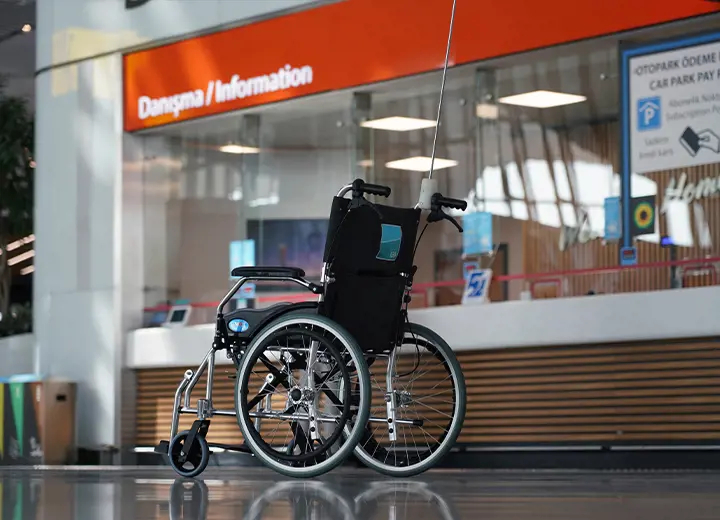
Istanbul Airport (IST) and Sabiha Gökçen Airport are fully modern hubs with strong accessibility standards. Wheelchair assistance, priority lanes, accessible restrooms, and step-free routes are available throughout terminals.
As of 2026, wheelchair and accessibility assistance at Istanbul Airport remains complimentary when arranged through your airline or the airport assistance desks. Notify your airline at least 48 hours before departure to avoid delays.
Metro Istanbul Accessibility
The Istanbul Metro is one of the city’s strongest accessibility success stories. Stations are designed so disabled passengers can travel independently and safely across most of the network.
“Everyone has the right to access all vital areas equally.”
— Metro Istanbul
Accessibility in the Istanbul Metro
In 2026, disabled residents and visitors holding an official Istanbulkart Disabled Card continue to travel free on Metro Istanbul services, including metro, tram, funicular, and municipal rail lines.
- Elevators, ramps, and step-free station access
- Tactile paving, guide paths, and clear signage
- Braille buttons and audio announcements in elevators
- Wide accessible turnstiles
One limitation to note: the metro mainly serves residential and business districts. It does not directly reach Sultanahmet’s main historic sights, so visitors often combine metro travel with trams or taxis.
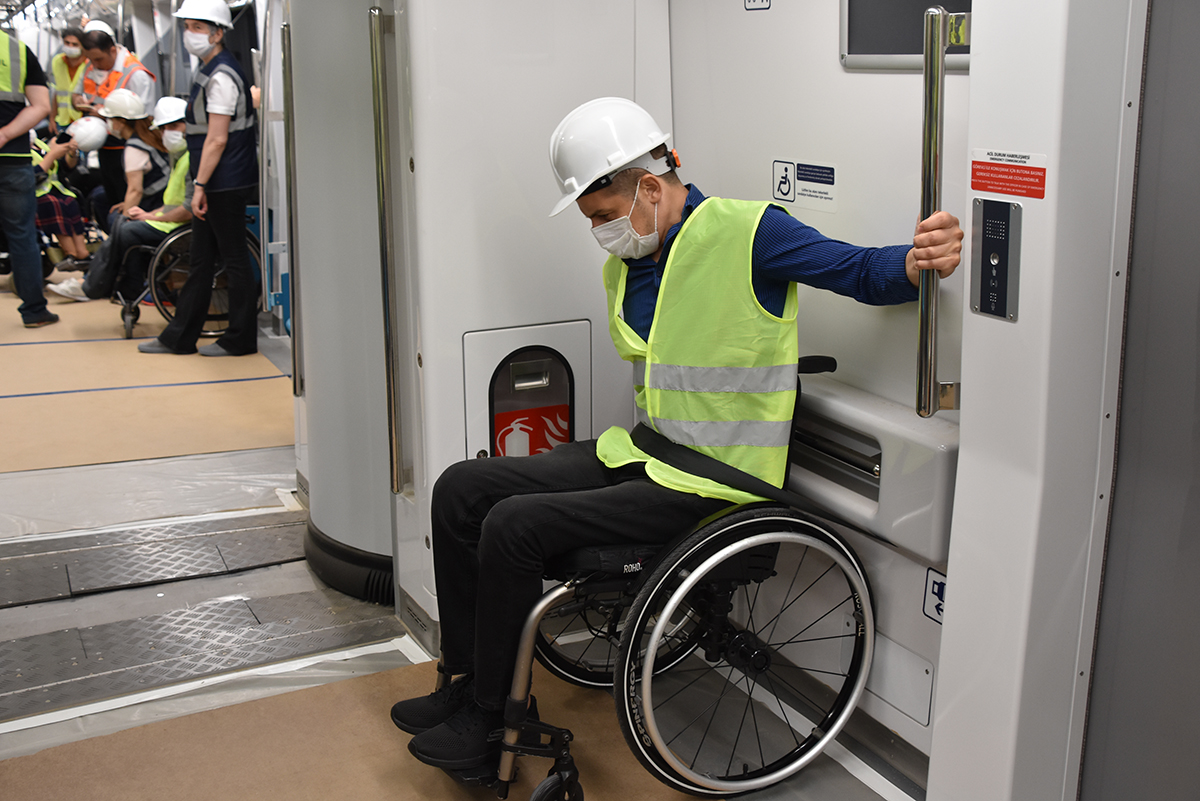
Features for Visually Impaired Passengers
Metro stations use tactile paving along platforms and guide paths from entrances to trains. Audio announcements clearly identify lines, directions, and stops, making navigation easier without assistance.
Ramps at station entrances do not exceed a 6% slope and use non-slip surfaces, allowing smooth access to elevators without steps.
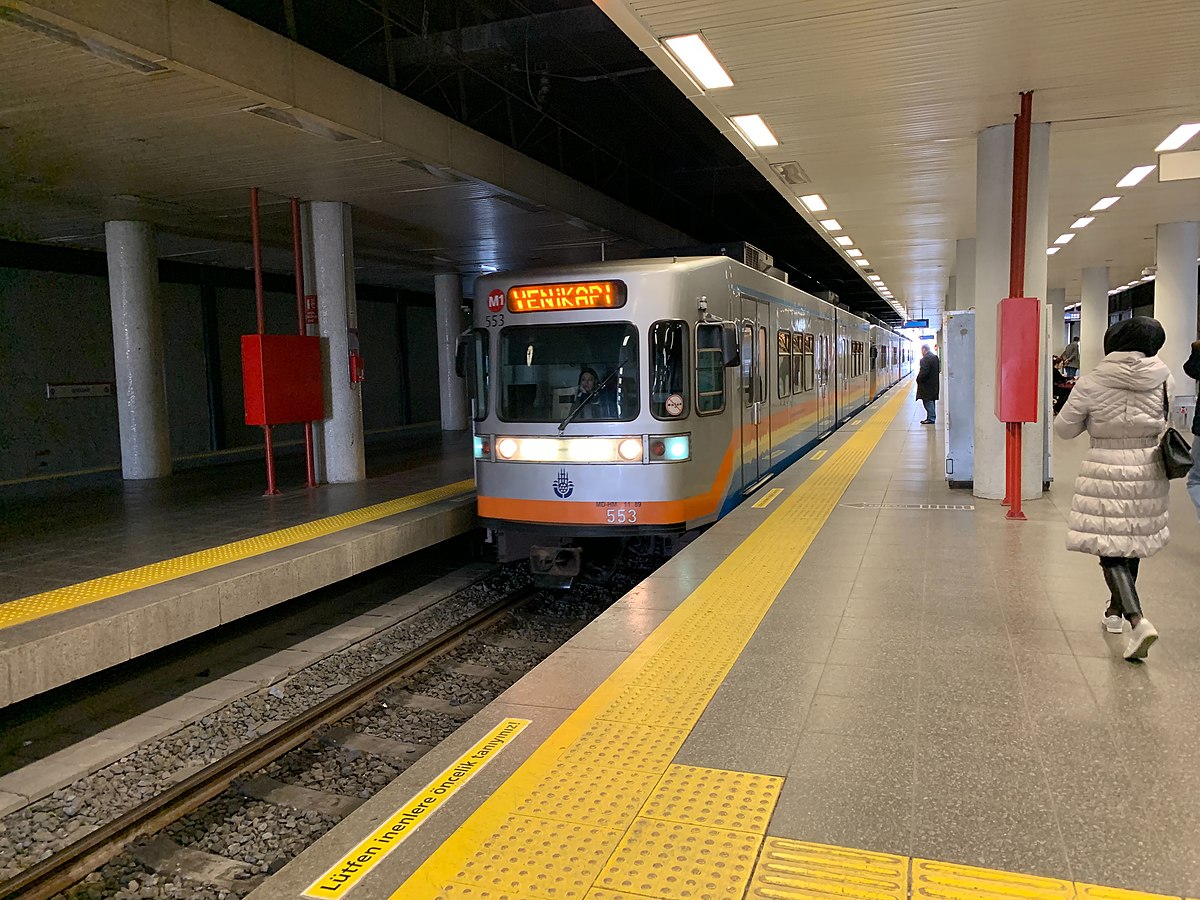
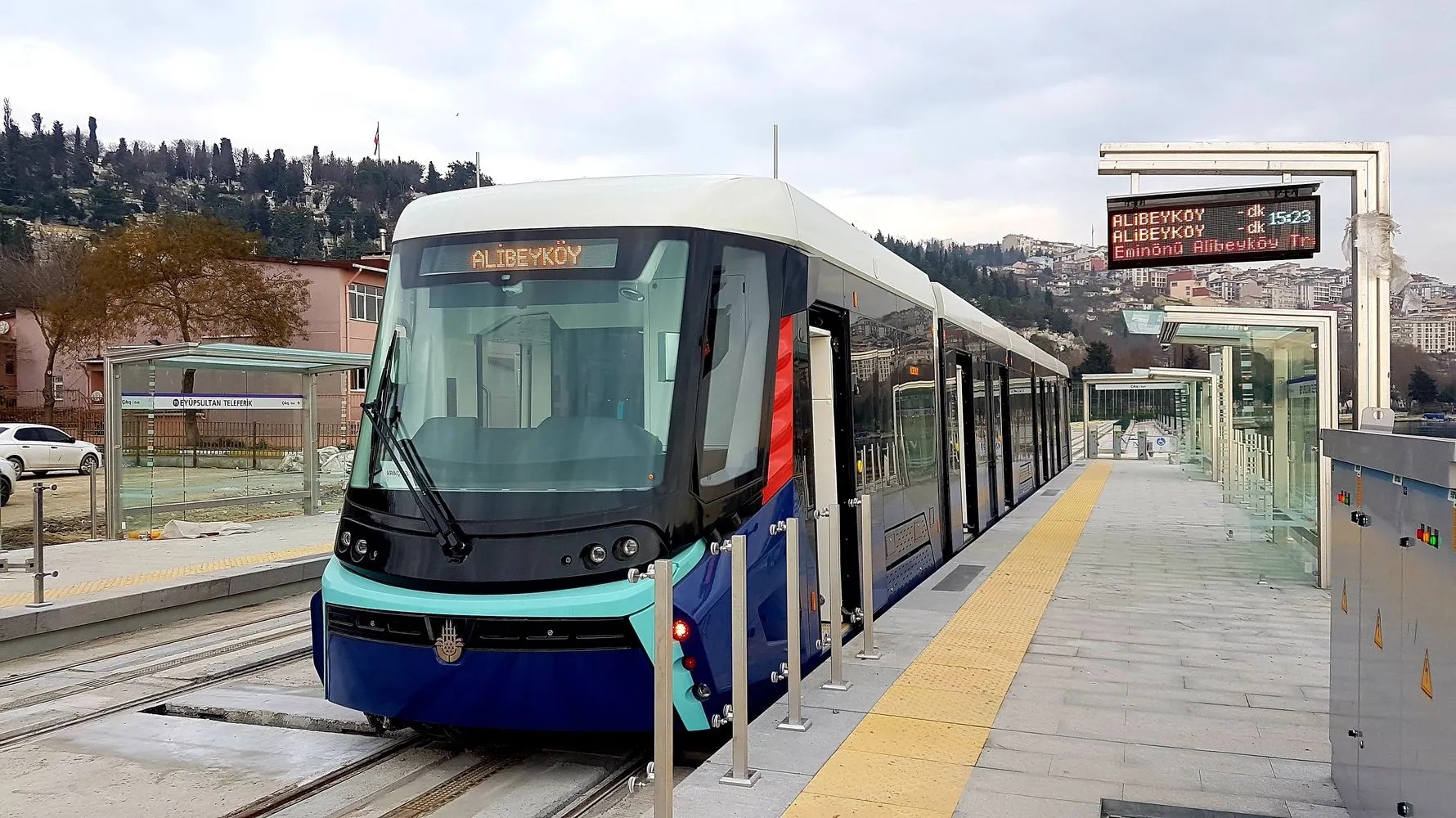
Accessibility on Istanbul Tram Lines
The T1 tram line, the most popular route for tourists, uses low-floor trams with level boarding at all stations. It connects key areas like Kabataş, Sultanahmet, and Bağcılar.
The main challenge is crowding. During peak hours, boarding with a wheelchair can be difficult. Traveling early in the morning or mid-day makes a big difference.
Public Ferry Lines Accessibility
Istanbul’s ferries are often the most pleasant and accessible way to travel between the European and Asian sides. Piers and vessels are designed with ramps, tactile floor markings, and clear announcements.
As of 2026, municipally operated Şehir Hatları ferries continue to offer free travel for disabled passengers, with free companion travel available on designated services.
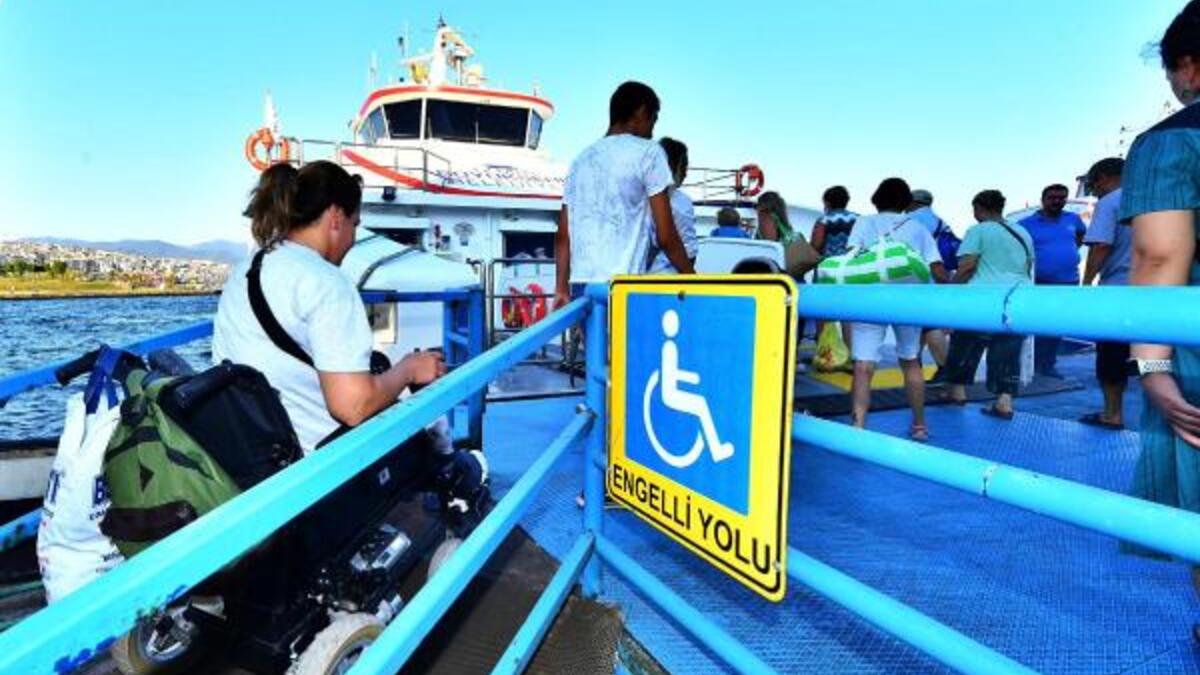
- Ramps with gentle slopes and non-slip surfaces
- Step-free boarding onto vessels
- Reserved seating and wheelchair spaces
- Audio announcements and directional signage
Public Bus Accessibility
While Istanbul’s long-term goal is a fully accessible bus fleet, buses remain the least predictable option for disabled visitors. Some vehicles still have steps, and accessible route information is hard to find.
If you do use buses, avoid rush hours and allow extra time. For most visitors, metro, tram, ferry, or pre-booked transport is a safer choice.
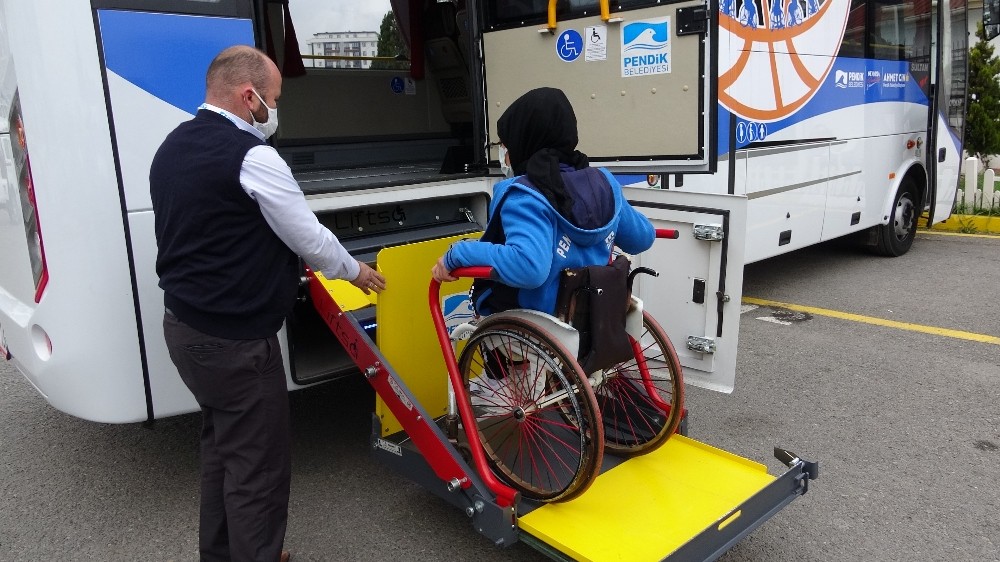
Taxis Accessibility
Standard Istanbul taxis are sedans. They can carry folding wheelchairs in the trunk but cannot accommodate non-folding wheelchairs.
For travelers who need ramps or lifts, pre-booked accessible vans are essential. Several local companies provide adapted vehicles for airport transfers and sightseeing, and booking in advance is strongly recommended.
- Vehicles with wheelchair ramps or lifts
- Reliable airport and hotel transfers
- Best option for non-folding wheelchairs
Wheelchair Mobility within the City
Mobility in Istanbul depends heavily on location. Modern districts offer smoother sidewalks and curb cuts, while historic areas involve steep hills and uneven stone streets.
Many restaurants and cafés in tourist areas have step-free ground-floor access, but accessible toilets are less common outside malls, museums, and major squares.
Accessibility of Popular Attractions
Sultanahmet Square
Sultanahmet Square is traffic-free and relatively flat, making it one of the easiest historic areas to navigate. Accessible toilets are available nearby, and the square works well as a base for sightseeing.
- Traffic-free pedestrian area
- Wheelchair-accessible restrooms
- Close to major landmarks
Taksim Square
Taksim Square is flat, modern, and one of the most wheelchair-friendly parts of Istanbul. It has accessible toilets, step-free walkways, and easy access to hotels, restaurants, and cultural venues.
- Flat, traffic-free surface
- Good public transport links
- Wide choice of accessible hotels
Accessible Museums in Istanbul
Many museums in Istanbul offer free entry for disabled visitors and often for one companion. Modern museums are generally fully accessible.
Pera Museum
Through the Pera Engelsiz program, the museum provides ramps, elevators, rail systems, and inclusive workshops. Admission is free for disabled visitors and companions.
Beşiktaş JK Museum
Located inside Vodafone Park, this museum is widely regarded as fully accessible, with elevators and interactive displays. Free entry is provided for disabled visitors.
Accessibility of Hotels
Hotel accessibility in Istanbul varies widely. Listings marked “accessible” may still have steps, narrow bathrooms, or awkward layouts.
- Contact hotels directly before booking
- Request current photos of rooms and bathrooms
- Taksim area is flatter and easier than the Old Town
Taking the time to confirm details before arrival can be the difference between a smooth stay and daily frustration.