Hyundai Turkey 2026: Prices, Models & The İzmit Factory Advantage
Table of Contents
In the volatile landscape of the Turkish automotive market, Hyundai has positioned itself not just as a car manufacturer, but as a strategic choice for buyers looking for stability. While other brands struggle with import delays and fluctuating customs duties, Hyundai leverages a massive home field advantage: local production. For anyone looking to buy a vehicle in Turkey, understanding this domestic connection is key to navigating maintenance and resale value.
The operational backbone of this advantage is Hyundai’s İzmit (Kocaeli) production hub, now operating under Hyundai Motor Türkiye (formerly known as Hyundai Assan). Hyundai states the plant runs at an annual production capacity of around 245,000 vehicles and produces key local models including the i10, i20 and Bayon. Hyundai also notes that the İzmit plant is planned to begin producing a fully electric model in the second half of 2026. Buying one of these locally produced models means you are buying “Made in Turkey” quality, which typically supports parts availability and service access.
Hyundai Turkey Price Snapshot: January 2026
Let’s be real about the numbers: car prices in Turkey are moving targets. Driven by currency fluctuations and the Special Consumption Tax (ÖTV), list prices are updated monthly. Also note: Hyundai dealer price lists in January 2026 reference a binde 2 (0.2%) vehicle registration fee (araç tescil harcı) effective 1 January 2026, and state it is not included in listed prices. The figures below represent the landscape as of January 2026, but we strongly advise checking for the latest dealer campaigns before signing any paperwork.
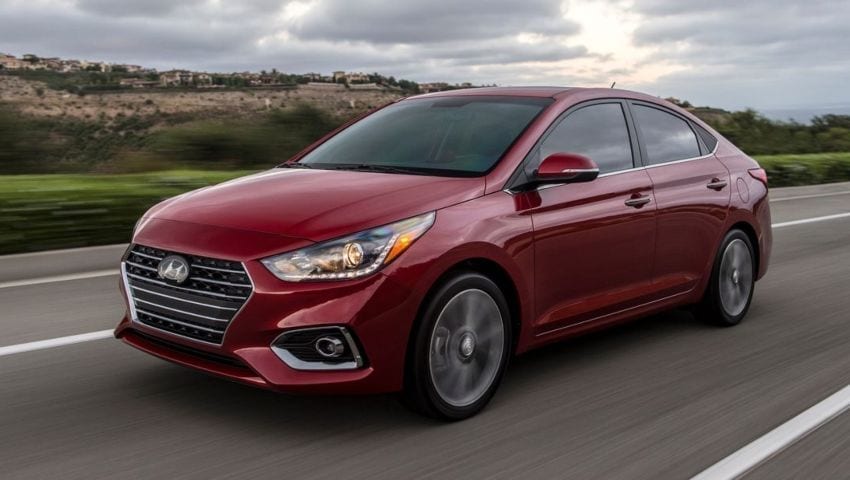
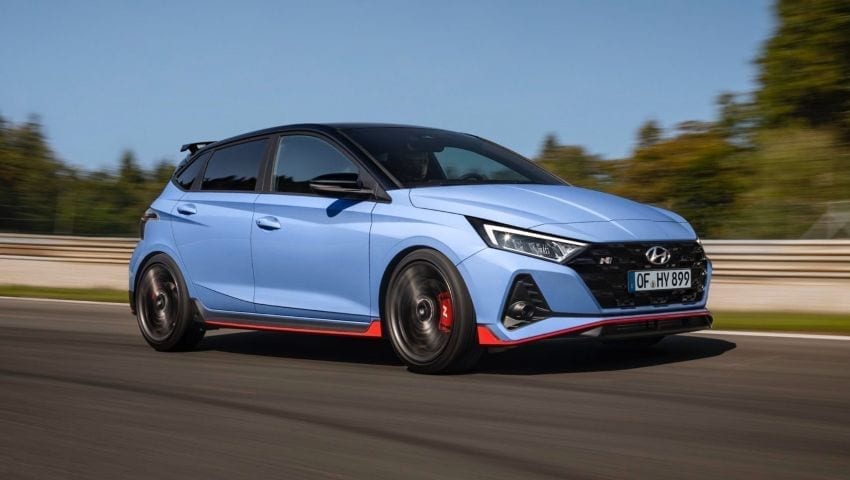
- Hyundai i20: The local bestseller from İzmit and now the brand’s entry-point. For 2026 model year January 2026 campaigns, prices are advertised from 1,334,500 TL for the Jump MT (cash purchase campaign).
- Hyundai Bayon: The stylish B-SUV produced locally in Kocaeli. January 2026 dealer price lists commonly show the entry Bayon starting around 1,471,000 TL (campaign price, depending on dealer/model year).
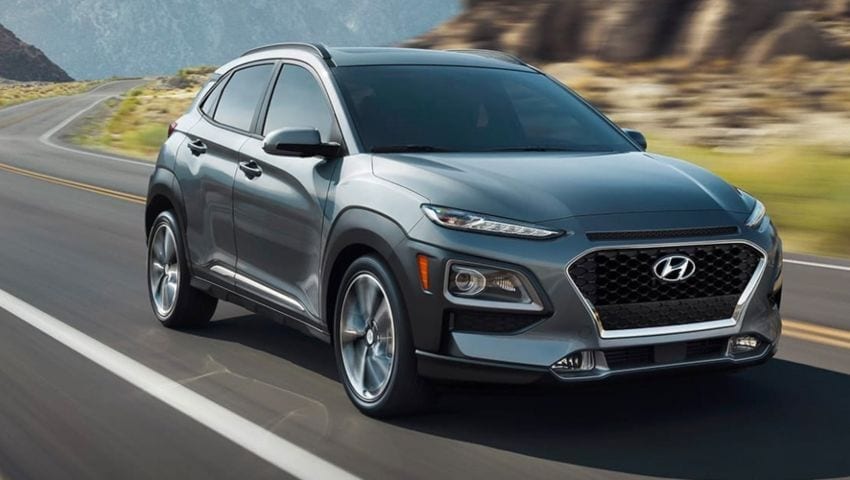
- Hyundai Kona: January 2026 offers list the Kona 1.6 T-GDI 180 PS Prime (DCT) starting from 2,231,000 TL. For the Kona Electric (Advance 99 kW), January 2026 dealer lists typically show prices around 2,184,000 TL (campaign/model year dependent).
- Hyundai Tucson: A family favorite with high-tech features. January 2026 offers show prices starting from 2,384,000 TL. In January 2026 dealer price lists, high-spec 4×4 Diesel trims can reach around 3,437,000 TL (Elite Plus 4×4 DCT, depending on campaign/model year).
Comparison Shopping: Before committing, it is wise to benchmark these figures against competitors. You might want to review the latest Opel Turkey Price List & 2026 Models to see how German engineering is currently priced against the Korean Turkish lineup.
If these new car prices feel steep (and for many, they do), you might consider the second-hand market. However, navigating used sales as an expat has its own legal hurdles. Check out our essential guide on Buying a Car in Turkey as a Foreigner to understand the “Blue Plate” options and tax exemptions you might qualify for.
Model Breakdown: The Technicals
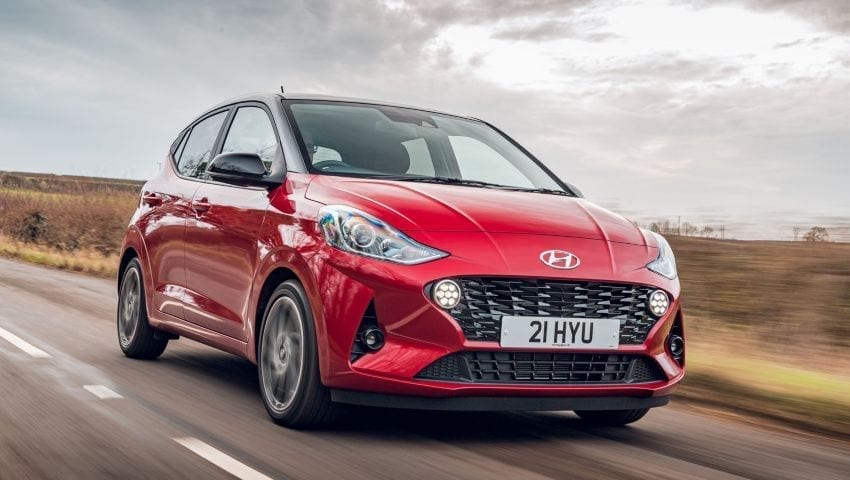
Hyundai i10 1.2 MPI (84 PS)
- Engine/Drive: 1.2-Liter Naturally Aspirated, 4-Cylinder, ~84 PS, Front Wheel Drive (FWD).
- Transmission: In Turkey, the 1.2 MPI is commonly listed with a 5-speed AMT (automated manual).
- Performance: 0-100 km/h in approx. 15.8s, Top Speed ~171 km/h (varies by version).
- Efficiency (Combined): roughly 6.2 l/100 km for the 1.2 MPI AMT (varies by version).
- Trunk: 252 Liters (Strictly for city errands).
Hyundai Kona 1.6 T-GDI (180 PS)
- Powertrain: 1.6L Turbo Petrol (T-GDI), listed in Turkey at 180 PS in January 2026 Kona price lists.
- Transmission: DCT automatic (as listed on January 2026 Kona price lists; exact gearing can vary by market/version).
- Performance: Performance figures vary by version; verify on the current spec sheet/brochure from your dealer.
- Efficiency: Consumption varies by version and driving; verify on the current official spec sheet.
Hyundai Tucson 1.6 CRDi 136 HP (Mild Hybrid)
- Powertrain: 1.6L Diesel (CRDi), 136 PS, 320 Nm.
- Drivetrain: Listed with a 7-speed DCT; available in 4×2 and 4×4 depending on trim.
- Stats: 0-100 km/h around 11.4s (4×2) to 11.6s (4×4), Top Speed ~180 km/h (varies by version).
- Consumption: Combined consumption commonly listed around 5.6 l/100 km (4×2) to 6.2 l/100 km (4×4), depending on version.
Booking a Test Drive
Specs are one thing; handling Istanbul traffic is another. The only way to know if the i10 can handle your neighborhood’s hills or if the Tucson fits your garage is to drive it. You can book appointments online for dealers across Turkey.
Book here: Official Hyundai Test Drive Page
After Sales: Service & Warranty Reality
Roadside Assistance (Yol Yardım)
Hyundai Türkiye’s official Roadside Assistance (Hyundai Yol Yardım) is offered 365 days / 24 hours and covers services such as towing and on-road support. Hyundai states that no extra fee is charged for vehicles under warranty/repair guarantee (with exclusions, e.g., user-error cases), so always check your warranty booklet for details before relying on it for a long cross-country drive.
Warranty Terms at a Glance
- Passenger Cars (Warranty + Repair Guarantee): Hyundai Türkiye states a legal warranty of 2 years / 60,000 km, plus an extended Hyundai Üretici Onarım Güvencesi up to 5 years / 100,000 km (whichever comes first).
- Repair Assurance (Onarım Güvencesi): Hyundai notes the onarım güvencesi continues even if the vehicle changes hands, which supports resale value.
- Hybrid/EV Battery: Hyundai Türkiye lists Hybrid HV battery coverage as 7 years / 100,000 km, and EV HV battery coverage as 8 years / 160,000 km (whichever comes first).
- Commercial Vehicles: Hyundai Türkiye lists light commercial legal warranty as 2 years / 100,000 km and also references the extended onarım güvencesi up to 5 years / 100,000 km; always verify details in the “Servis Kitapçığı”.
Insurance & Legal Essentials
Hyundai’s official insurance program (Kasko) guarantees repairs are done in authorized workshops using original parts. This is vital for maintaining the car’s resale value in a market that is notoriously picky about “Değişen” (replaced parts) and “Boya” (paintwork).
For expats, the paperwork can be daunting. We have analyzed the rising costs of production in our deep dive into Domestic Producer Prices, which explains why service costs are climbing. Whether you choose a locally produced i20 or a high-tech Tucson, Hyundai remains a solid, pragmatic choice for 2026.