

Turkey’s Ministry of Justice: Courthouse, Mediation, Records
What Türkiye's Ministry of Justice does and what a foreigner meets at a courthouse: front desk, interpreter, mediation, legal aid, criminal record.
Table of Contents
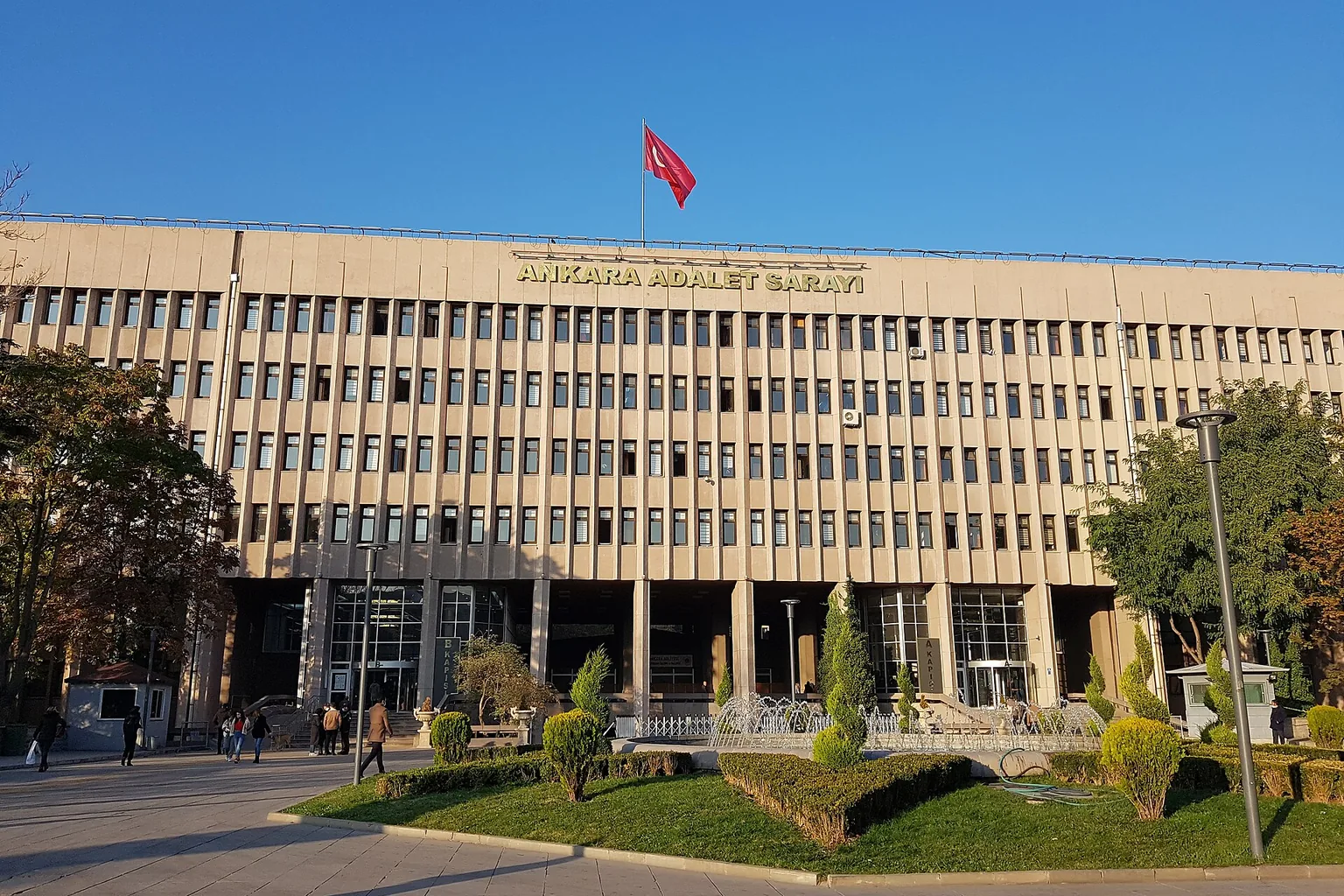
Türkiye’s Ministry of Justice (Adalet Bakanlığı) opens and organises the courts that the law provides for, plans and sets up justice institutions of every level, keeps the criminal record and handles justice matters with other countries. A foreigner meets its work at a courthouse (adliye): at the front desk, with an interpreter, in victim support, in mediation, in legal aid and when a criminal-record certificate is needed.
In short · checked 06.11.2026
A ministry for courts and the criminal record. This is what it covers where a foreigner meets it.
- Front desk: a courthouse front desk (danışma masası) gives the unit, its place and the file number in writing, and the date, time and hall of a hearing.
- Interpreter: the ministry’s regulation sets yearly interpreter lists for criminal cases, for people who do not know Turkish well enough to explain themselves. The State Treasury pays the interpreter’s costs.
- Mediation: a neutral mediator helps two sides settle. For labour, commercial money, consumer, rent and some other disputes it comes before a lawsuit.
- Legal aid: the legal aid desk of a victim support office helps people who ask for legal aid to collect the papers.
- Criminal record: the ministry keeps it. A certificate can be had translated into 51 languages.
At the courthouse · checked 06.11.2026
The hearing sheet
A court enters its hearings in a register (duruşma günleri kaydı), and the ministry’s regulation lists the columns of that register. The sample sheet below follows them. Tap a column, or the hall plate above it, to see what it means and which Turkish line goes with it at the front desk. Every name, number and date on the sheet is a blank.
Salon · the hall
The hall is the room of the hearing. Front-desk staff give a person who comes for a hearing its date, time and hall.
Ask at the front desk
Duruşmam hangi salonda?
Which hall is my hearing in?
Sıra · the order number
The line’s place in the one sequence in which a court enters the days and times of its hearings.
Ask at the front desk
Nothing to ask for this column: it is read together with the day and time.
Esas no · the case number
The number a criminal case file gets in the court’s register of cases, when the indictment (iddianame) is accepted or the file arrives from another court by a decision on competence or transfer. A file sent back after an appeal ruling gets a new number; the first stays in the remarks column.
Ask at the front desk
Birimi, yerini ve dosya numarasını yazar mısınız?
Could you write down the unit, its place and the file number?
Esas no · the case number
The file’s number in the court’s register of cases, the register that follows each case through its stages: the petitions, the preliminary examination (ön inceleme) and the investigation of the case (tahkikat).
Ask at the front desk
Birimi, yerini ve dosya numarasını yazar mısınız?
Could you write down the unit, its place and the file number?
Gün ve saat · day and time
The day and hour of the hearing, as the court enters them according to its workload.
Ask at the front desk
Duruşmanın tarihi ve saati nedir?
What are the date and time of the hearing?
Mağdur · Sanık · the people in the case
The register has two columns here: the victim, the complainant and the intervening party (katılan) with their lawyers, and the accused (sanık) with the defence lawyer (müdafi). This sample joins them and shows no names.
Say at the court
Türkçe bilmiyorum, tercüman gerekiyor.
I do not know Turkish; an interpreter is needed.
Taraflar · the parties
The first names and surnames of the parties. This sample shows no names.
Ask at the front desk
No set line for this column.
Suçun türü · the kind of offence
The kind of offence in the case on that line. At the front desk, a person who comes to make a complaint or report is recorded, given an entry card and sent to the public prosecutor.
Ask at the front desk
Şikâyette bulunmak için geldim.
I have come to make a complaint.
Davanın türü · the kind of case
The kind of case on that line.
Ask at the front desk
No set line for this column.
Bırakıldığı tarih · put off to
The date a hearing was put off to.
Ask at the front desk
Duruşmanın tarihi ve saati nedir?
What are the date and time of the hearing?
A sample, not a real list. The columns follow the hearing-days register in the ministry’s regulation on the administrative and clerical services of courthouses, shortened for a phone: the criminal register also has a remarks column (düşünceler), the civil one a decision-number column and a result column. The front-desk tasks come from the same regulation, the interpreter line from the regulation on interpreter lists in criminal cases.
What the ministry is its duties, its units and who heads it
The Ministry of Justice sets up and organises the courts. A Presidential Decree of 10.07.2018 lists its duties (the ministry’s duties page, dated 11.06.2020). In plain words, they are:
- Courts and justice buildings: opens and organises the courts the law provides for, and plans, sets up and develops justice institutions of every level, such as prisons (ceza infaz kurumları) and enforcement and bankruptcy offices (icra ve iflas daireleri). It supervises them in their administrative duties.
- Court areas: proposes to the Council of Judges and Prosecutors (Hâkimler ve Savcılar Kurulu) when a court is to be closed or its area changed.
- Criminal record: carries out the services for keeping the criminal record (adli sicil).
- Other countries: carries out justice-related procedures with foreign countries.
- Laws: does research and prepares law drafts on justice, and checks the drafts other ministries send for fit with Turkish law and drafting technique.
- Sentences and debts: arranges the carrying out of sentences (infaz) under the law, and does enforcement and bankruptcy work through the enforcement and bankruptcy offices.
- The rest: studies and procedures on the authority the law gives the Minister of Justice about filing a public lawsuit; following how the rules work in practice and proposing solutions; scientific meetings; cooperation with public and private bodies; other duties given by law or presidential decree.
Who heads it · checked 06.11.2026
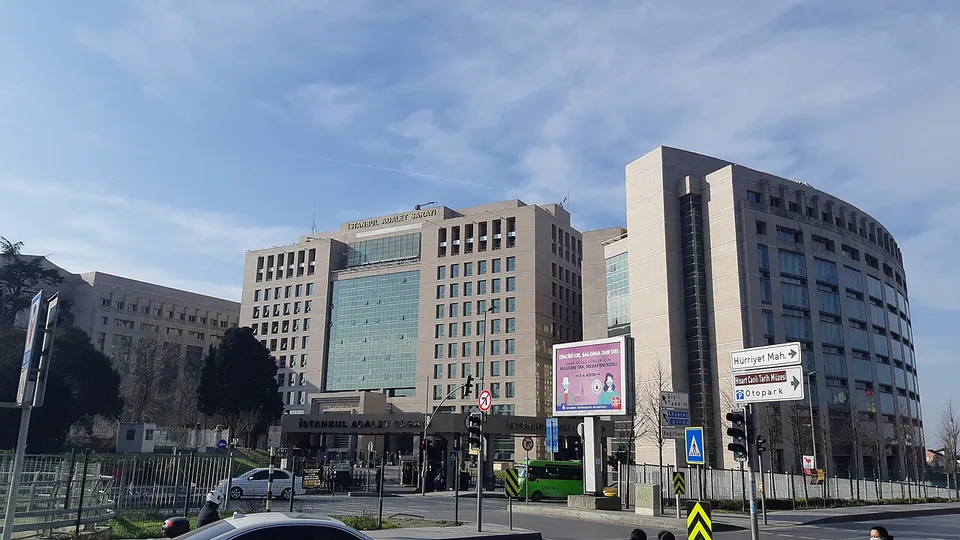
The minister and the building
- Minister
- Akın Gürlek, Minister of Justice (Adalet Bakanı)
- English name
- “Republic of Türkiye Ministry of Justice”
- Building
- The ministry’s building in Ankara’s Devlet Mahallesi, then called Adliye Vekâleti, was designed and built in 1936–1939. Its plan is an H of three-storey blocks, on a reinforced-concrete frame clad outside with Ankara stone (the ministry’s building history).
The ministry’s units page (13.03.2020) lists 20 units and the Forensic Medicine Institution (Adli Tıp Kurumu). A general directorate is a genel müdürlük, a department a daire başkanlığı. Six of the units are named in the chapters below:
- Criminal Affairs (Ceza İşleri Genel Müdürlüğü): its site holds the regulations on courthouse services and on interpreter lists.
- Judicial Records and Statistics (Adli Sicil ve İstatistik Genel Müdürlüğü): keeps the criminal record.
- Judicial Support and Victim Services (Adli Destek ve Mağdur Hizmetleri Dairesi Başkanlığı): the victim-support offices are attached to it.
- Mediation (Arabuluculuk Daire Başkanlığı): answers common questions on mediation on its site.
- Alternative Solutions (Alternatif Çözümler Daire Başkanlığı): answers common questions on conciliation on its site.
- Information Technology (Bilgi İşlem Genel Müdürlüğü): its site carries the pages on the 135 ALO ADALET line.
The courthouse the front desk, the front office and the systems behind them
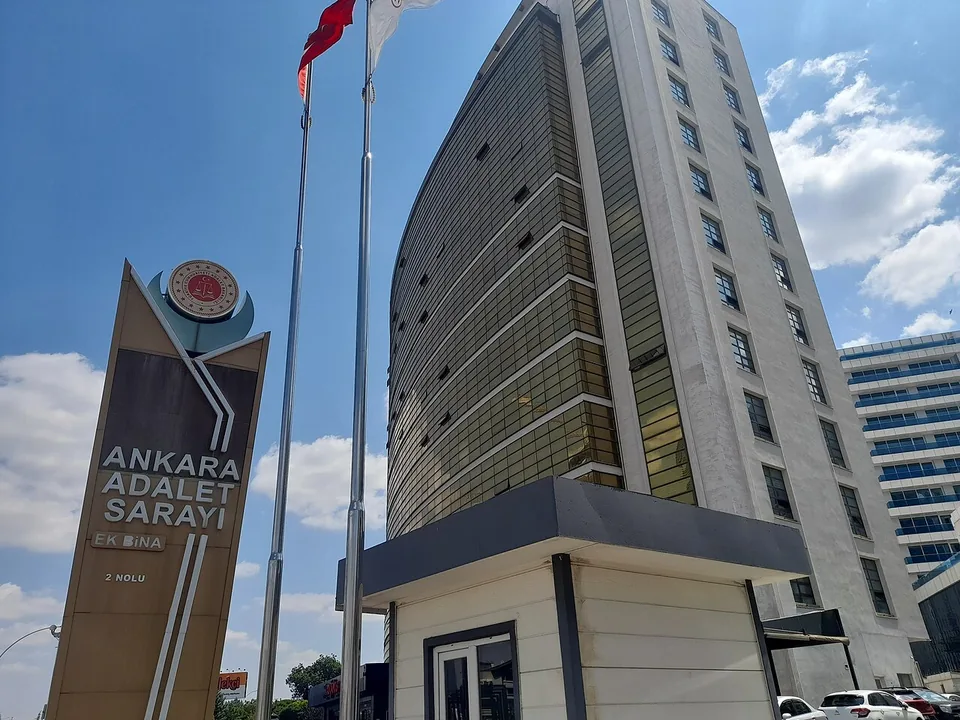
A courthouse is an adliye. The ministry’s regulation on the administrative and clerical services of the courts and the chief public prosecutors’ offices (Cumhuriyet başsavcılığı) sets the tasks of the front desk (danışma masası). It gives a person the unit, its place and the file number in writing, and the date, time and hall of a hearing.
The front desk · checked 06.11.2026
What its staff do
- Where to go: gives the unit, its place and the file number, in writing.
- Hearing day: gives the date, time and hall of a hearing.
- Complaint or statement: records the person, gives an entry card and sends them to the public prosecutor.
- Forms: hands out the forms and petitions an application needs and sends the person to the unit.
- Information: hands legal-information brochures to citizens (vatandaş) who ask, and gives information on the Citizen Information System and the SMS Information System.
- Prison visits: records people who want to visit someone held in a prison, gives an entry card and sends them to the public prosecutor.
The front office (ön büro) is a different place: the clerical unit, usually near the entrance of a courthouse, where the papers of an investigation or a lawsuit are handled from the start. The front office of a criminal court also signs up people who want information on the proceedings concerning them by SMS to the SMS Information System of UYAP.
Two systems in plain words
UYAP (Ulusal Yargı Ağı Bilişim Sistemi) is the national judiciary information system, made to carry out justice services electronically. The Citizen Information System (Vatandaş Bilgi Sistemi) lets citizens reach UYAP over the internet. e-Devlet is the state’s online services portal.
Interpreter and victim support who helps in a criminal case
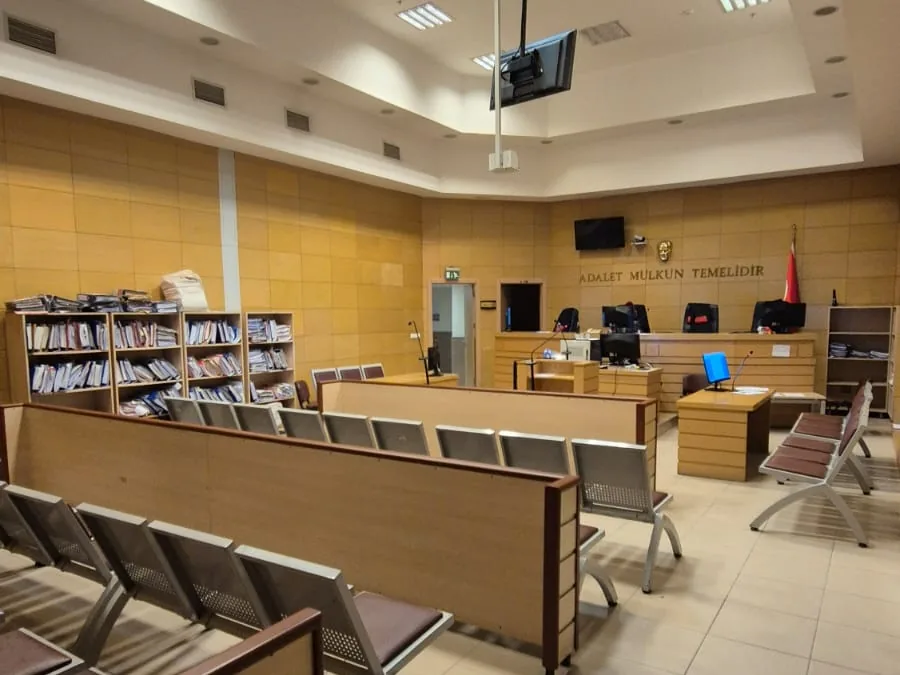
Two kinds of help sit around a criminal case. An interpreter (tercüman) turns what a person says into Turkish. A victim support office gives crime victims information, guidance and psycho-social support.
The interpreter · checked 06.11.2026
Who gets one, and who pays
- Who
- A victim, witness, suspect or accused who does not know Turkish well enough to explain themselves, or who is disabled, in the investigation or the trial.
- Lists
- Each year the justice commission (adalet komisyonu) of the province’s first-instance courts makes a list. It is posted in the courthouse for at least seven days and announced online.
- Cost
- The interpreter’s costs are not counted as trial costs. The State Treasury pays them.
- Own choice
- For an oral defence in another language by an interpreter the accused chooses, the Treasury does not pay; the court sets the cost and the time to pay.
The victim support offices are the Judicial Support and Victim Services Offices (Adli Destek ve Mağdur Hizmetleri Müdürlükleri, ADM). Six offices work within them (ADM page, 22.10.2020):
Information and guidance
Bilgilendirme ve Yönlendirme Bürosu. Tells every crime victim about the court process, their rights and the services open to them, and sends them to other public bodies and civil-society organisations that offer services outside the office’s field.
Vulnerable groups
Kırılgan Grup Destek Bürosu. Makes an individual assessment and a support plan. The groups named are children, victims of sexual crime, domestic violence, terror, migrant smuggling and human trafficking, and women, elderly and disabled victims who need strong support.
Criminal proceedings
Ceza Yargılaması Destek Bürosu. Gives experts to public prosecutors’ offices and criminal courts, for example for a social inquiry report or to be present during a statement.
Civil proceedings
Hukuk Yargılaması Destek Bürosu. Gives experts to civil courts, in divorce, custody (velayet), guardianship, contact with a child and adoption cases: talks with the sides and the children, home visits where needed, a social inquiry report to the court.
Legal aid services
Adli Yardım Hizmetleri Bürosu. Helps people who ask for legal aid to collect the papers and sends them on to the legal aid services. It uses standard application forms.
Child handover
Çocuk Teslimi ve Çocukla Kişisel İlişki İşlemleri Bürosu. Carries out court orders on handing over a child or on contact with a child, with child-friendly methods, in set handover places.
The ADM site’s page on the courthouses with an ADM office (Bulunan Adliyeler) gives the list as a map file.
Mediation a neutral helper, and where it comes before a lawsuit
Mediation (arabuluculuk) is a way for two sides to settle a dispute with a neutral third person, the mediator (arabulucu). The mediator does not decide and does not propose a solution: the sides find it themselves.
- When: after a dispute starts and before going to a court or arbitration, or after a lawsuit is filed.
- Not for: matters the sides cannot decide freely, for example criminal cases, cases on civil-registry entries and cases on custody of children.
- Not giving up: applying to a mediator is not giving up the lawsuit. Either side can end the process and go to court.
- Cost: no court fee, and no notification, expert, witness or inspection costs during the process. The mediator is paid by the minimum fee tariff, by the time spent. Unless the sides agree otherwise, they share the costs equally. Each side pays its own lawyer.
- Staying away: a side who does not come to the first meeting without an excuse pays half of the trial costs if a lawsuit follows, even if they win in whole or in part, and gets only half of the lawyer’s fee the tariff sets.
- An agreement: the sides can ask a civil court for a note that it can be enforced (icra edilebilirlik şerhi). An agreement with the note counts as a document with the force of a court judgment (ilâm).
For some disputes the law makes mediation a condition of suing (dava şartı): the lawsuit can be filed only after an application to a mediator. They are:
| Kind of dispute | A condition of suing since |
|---|---|
| Labour: claims and compensation of workers and employers under an individual or collective labour contract, and reinstatement claims | 01.01.2018 |
| Commercial cases about a claim or compensation for a sum of money | 01.01.2019 |
| Consumer disputes that go to the consumer courts | The page gives no date |
| Disputes from agricultural production contracts | 01.09.2023 |
| Rent, ending co-ownership (ortaklığın giderilmesi), condominium (kat mülkiyeti) and neighbour-law disputes | 01.09.2023 |
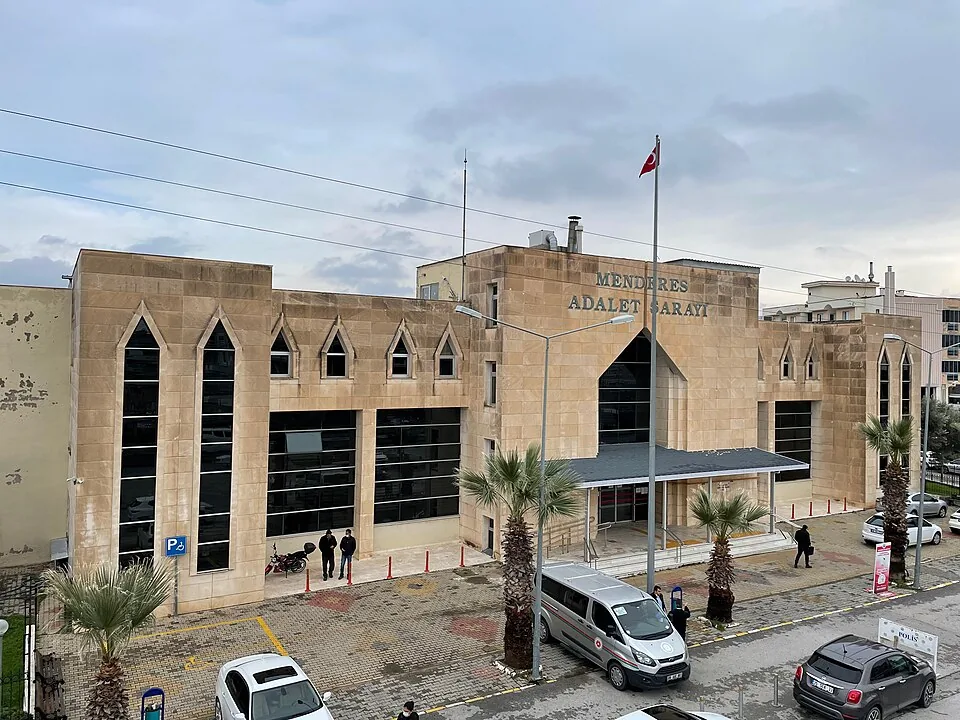
How to apply · checked 06.11.2026
The mediation office
- Where
- At the mediation office (arabuluculuk bürosu) in a courthouse. Where a place has none, the clerk’s office (yazı işleri müdürlüğü) of the civil court of peace (sulh hukuk mahkemesi) acts as one.
- Mediator
- The office appoints one from the register of mediators, or the one the sides agree on from the list.
- Fee
- Applying costs nothing. If the sides do not agree, the fee for two hours is paid from the ministry’s budget.
- Cannot pay
- A side who cannot pay the mediator’s fee can get legal aid, by decision of the civil court of peace judge where the mediation office is.
Conciliation is a different thing · the Alternative Solutions Department FAQ
Conciliation (uzlaştırma) is for criminal cases. A neutral conciliator (uzlaştırmacı), a law graduate appointed by the public prosecutor, brings the suspect or accused and the victim together. It starts only if both accept, and either can drop out until an agreement is reached. If an agreement is reached and carried out in the investigation stage, no prosecution follows and nothing is entered in the criminal record.
Legal aid and a free lawyer who can get them, and through whom
A bar association (baro) is a lawyers’ professional body. Two kinds of help with costs and lawyers go through the bar associations and the courts.
For people who cannot pay the costs
People who cannot pay the costs of a case or of enforcement, in whole or in part, without serious hardship for themselves and their family can get legal aid. It means a temporary exemption from the costs, no security to put up, the costs advanced by the State, and a lawyer whose fee is paid afterwards. It is for civil and administrative cases, not for criminal ones (the victims’ guide of the Judicial Support and Victim Services Directorate, undated; checked 06.11.2026).
In a criminal case
A victim who has no lawyer gets one on request for a sexual-assault crime or a crime whose lower limit of punishment is more than five years in prison. A victim under 18, a deaf-mute victim and a victim unable to explain themselves because of disability get one without asking. The police, the gendarmerie (jandarma), the prosecutor or the court asks the bar to assign the lawyer. No costs are asked of the victim (the same guide, undated; checked 06.11.2026).
For legal aid, the steps are:
- ApplyTo the bar’s legal aid office or to the court where the case is or will be heard. For enforcement, to the enforcement court of the place.
- Give the factsThe office or the court asks for papers on property, monthly income, family situation and the number of people the applicant supports. Papers for the request are free of fees and taxes.
- The court decidesIt can accept the request in part or in full, or refuse it. It may decide without a hearing; on request, the examination is held with one.
- ObjectionWithin one week of the notice, in a petition to the court that decided. The decision on the objection is final. A refused request can be made again if the ability to pay falls seriously later.
The legal aid desk of a victim support office (chapter above) helps people who need legal aid to collect the papers and sends them on to the legal aid services; standard application forms make it easier for people of limited means to apply in civil-law disputes (ADM page, 22.10.2020).
The criminal-record certificate what it is and where it is asked for
The criminal record (adli sicil) collects, sorts and keeps final convictions and security measures, and reports them when needed. A certificate of it is an adli sicil kaydı. The ministry’s Judicial Records and Statistics directorate runs the record. The certificate can be had translated into 51 languages.
Prosecutors, missions or the units themselves
Individuals apply through chief public prosecutors’ offices and Turkish missions abroad, or in person at the ministry’s provincial and central units, or through e-Devlet, the state’s online services portal. From abroad, foreigners who have been in Türkiye get it through Turkish missions.
51, among them English, German and Arabic
The translated certificate comes in 51 languages (the directorate’s page on applying from abroad, checked 06.11.2026). A short sample of the list: English, German, French, Spanish, Russian, Arabic, Persian and Chinese.
How to reach it phone, e-mail, addresses and the 135 line
Phone, e-mail and address of each unit, checked 06.11.2026.
| Unit | Phone and e-mail | Address |
|---|---|---|
| The ministry (contact page dated 17.03.2020) | +90 (312) 417 77 70; fax +90 (312) 419 33 70; [email protected] | 06659 Kızılay, Ankara |
| Judicial Records and Statistics (criminal record) | +90 312 293 26 26; [email protected] | Devlet Mahallesi, Vekaletler Caddesi, 06420 Çankaya, Ankara |
| Mediation Department | [email protected] | Adalet Bakanlığı Ek Bina, Milli Müdafaa Cad. No:22, Bakanlıklar, Kızılay, Ankara |
| Alternative Solutions Department (conciliation) | 0 312 549 32 79 | Eski Yargıtay Binası, Vekaletler Caddesi No:4 A Blok Kat:1, 06659 Çankaya, Ankara |
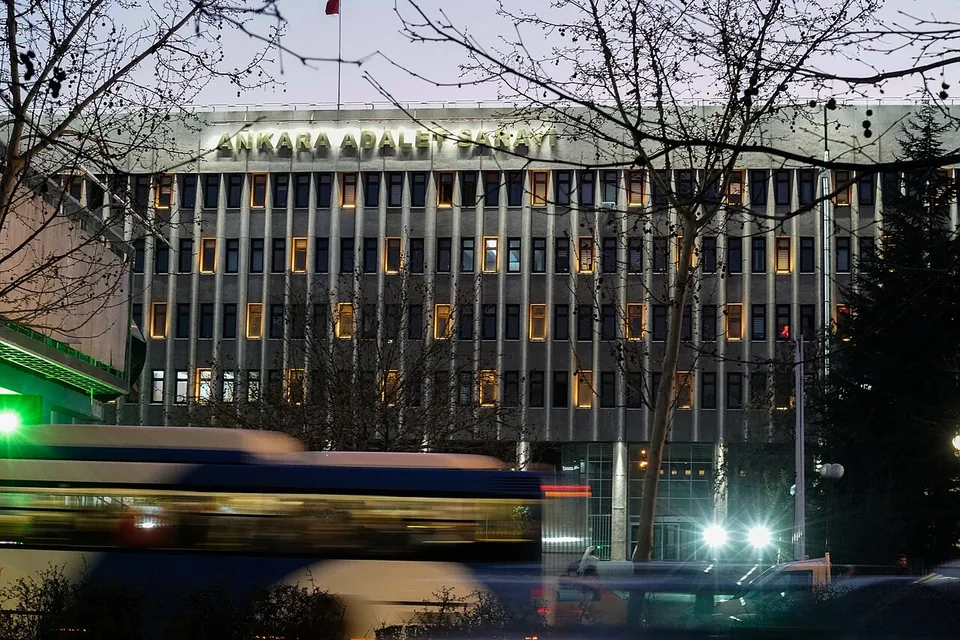
135 ALO ADALET · the ministry’s pages of 01.09.2026 and 17.10.2026
A line for long cases
The 135 ALO ADALET line (Alo Adalet 135 Hattı) has served citizens (vatandaş) in 81 provinces since 16.10.2026. It began on 01.09.2026 as a pilot at the Ankara Batı, İzmir and Kayseri courthouses. Through it, applications can be made about case files older than 5 years and investigation files older than 3 years.
Sources and dates
Every figure and rule here comes from the pages below, read on 06.11.2026, with the page’s own date where it prints one. Lists and rules change; the pages carry the current version. Photo credits sit in the captions.
- Ministry of Justice, home page — minister, units, contact lines; checked 06.11.2026
- Ministry of Justice, the ministry’s duties (Bakanlığın Görevleri) — page dated 11.06.2020; Presidential Decree No. 1, art. 38, in the Resmî Gazete of 10.07.2018, issue 30474
- Ministry of Justice, units (Birimler) — page dated 13.03.2020
- Ministry of Justice, contact (İletişim) — page dated 17.03.2020
- Regulation on the administrative and clerical services of regional courts of appeal, first-instance courts and chief public prosecutors’ offices (Bölge Adliye ve Adlî Yargı İlk Derece Mahkemeleri ile Cumhuriyet Başsavcılıkları İdarî ve Yazı İşleri Hizmetlerinin Yürütülmesine Dair Yönetmelik) — PDF on the Criminal Affairs directorate’s site, undated copy; arts. 3, 7, 141, 142, 164, 172, 178
- Regulation on interpreter lists under the Criminal Procedure Code (Ceza Muhakemesi Kanununa Göre Tercüman Listelerinin Düzenlenmesi Hakkında Yönetmelik) — PDF on the Criminal Affairs directorate’s site, undated copy; arts. 1, 9, 12
- Judicial Support and Victim Services Offices, ADM Nedir? — page dated 22.10.2020
- Judicial Support and Victim Services Offices, courthouses with an ADM office (ADM Bulunan Adliyeler) — checked 06.11.2026
- The victims’ guide of the Judicial Support and Victim Services Directorate (Mağdurlara Yönelik Hak ve Hizmetler Kılavuzu) — undated; chapter 2; checked 06.11.2026
- Mediation Department, frequently asked questions (Sıkça Sorulan Sorular) — checked 06.11.2026
- Mediation Department, mediation as a condition of suing (Dava Şartı Olarak Arabuluculukta Sıkça Sorulan Sorular) — checked 06.11.2026
- Alternative Solutions Department, frequently asked questions on conciliation — checked 06.11.2026
- Judicial Records and Statistics, services (Adli Sicil Hizmetleri) and application from abroad (Yurtdışından Başvuru) — checked 06.11.2026
- Information Technology directorate, 135 ALO ADALET line opened — page dated 01.09.2026
- Information Technology directorate, 135 ALO ADALET line in 81 provinces — page dated 17.10.2026
- The ministry building’s history (Adalet Bakanlığı Binasının Tarihçesi) — PDF on the ministry’s site, undated; checked 06.11.2026